
Managing your money starts with knowing where it goes each day.
With the right mobile expense-tracking app, you can monitor your spending and make smarter financial decisions.
This article helps you discover the best apps to track daily expenses and build better budgeting habits.
Why You Should Track Daily Expenses
Tracking your daily expenses helps you understand your spending habits and gain financial control.
It shows you where your money goes and helps you cut unnecessary costs. Here are the main reasons why you should start tracking your daily expenses:
- Build awareness: You’ll see how small purchases add up over time.
- Control overspending: Knowing your spending pattern helps you stay within budget.
- Identify waste: It becomes easier to spot areas where you can save more.
- Improve decision-making: Clear records guide smarter financial choices.
- Achieve goals: Expense tracking helps save for travel, pay off debt, or invest.
- Reduce stress: Financial clarity enables you to feel more secure and confident.
What Features to Look for in a Good Expense-tracking App
Choosing the right app makes expense tracking easy and effective. A strong app helps you log spending quickly, see patterns, and make smarter money choices.
Below are features you should prioritise.
- Ease of Use – A simple interface that lets you add expenses quickly without extra steps.
- Expense and Income Logging – Records both what you spend and what you earn for accurate tracking.
- Categorisation – Groups your costs (like food, bills, or travel) for better insight into spending habits.
- Syncing and Backup – Keeps your data safe and accessible across all your devices through cloud storage.
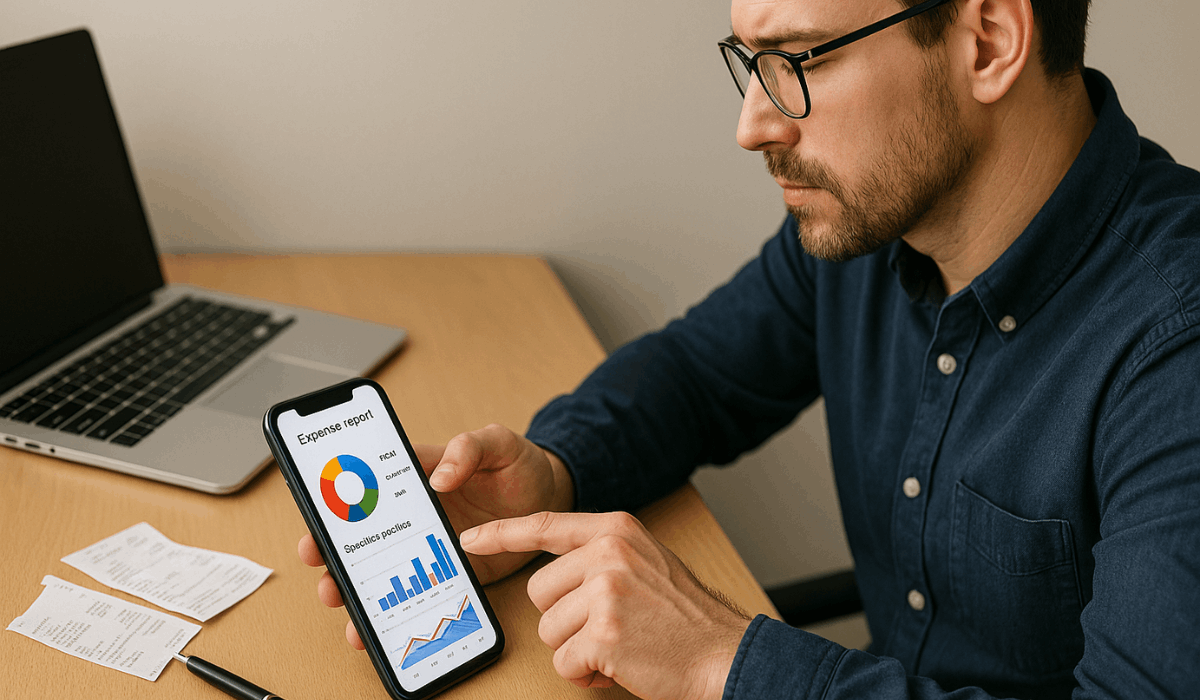
- Reports and Analytics – Shows charts and summaries to help you understand trends over time.
- Receipt Capture – Lets you attach or scan receipts for easy record-keeping and proof of purchase.
- Reminders and Alerts – Sends notifications so you don’t forget to log transactions or when you overspend.
- Multi-Currency Support – Allows you to track expenses in different currencies if you travel or work globally.
- Security and Privacy – Protects your financial data through encryption and secure servers.
- Bank and App Integration – Connects with your bank or exports data for budgeting and tax purposes.
Top Mobile Apps for Tracking Daily Expenses
Choosing the right expense-tracking app depends on your habits and goals.
Some apps focus on simplicity, while others provide detailed analytics and budgeting tools.
Here’s a list of the top mobile apps for tracking daily expenses to help you stay organized and manage your money better.
- Wallet by BudgetBakers: Auto-categorises expenses, supports import/export, and multiple currencies.
- Money Manager Expense & Budget: Lets you log income and expenses, view charts, and manage multiple accounts.
- Goodbudget: Uses the envelope-budget method, syncs across devices, and is suitable for shared household tracking.
- Spending Tracker: Straightforward UI, focused purely on tracking spending vs budget.
- MoneyWiz – Tracks both income and expenses, supports automatic bank-account syncing, budgeting, and generates reports.
How to Pick the Right App for Your Needs
Picking the right expense-tracking app depends on how you manage money and what features matter most to you.
Some apps are simple, while others offer advanced analytics and budgeting tools. Here’s how to choose the one that fits your needs best:
- Define your goals – Decide if you want to record expenses or plan full budgets.
- Check compatibility – Make sure the app works on your device (Android, iOS, or web).
- Compare pricing – Free versions may work for basic needs, while premium plans add automation.
- Test usability – Try the interface; it should feel quick and comfortable for daily use.
- Review integrations – Look for apps that connect to your bank, cloud, or other financial tools.
- Evaluate data security – Ensure the app uses encryption and has clear privacy policies.
- Read user feedback – Ratings and reviews reveal performance and reliability issues.
Integrating Expenses with Budgeting & Saving Goals
Linking your expense tracking with budgeting and saving goals helps you see the full picture of your finances.
It connects your daily spending habits to your long-term plans, making it easier to stay disciplined. Here’s how you can integrate your expenses effectively:
- Set clear goals – Define what you’re saving for, like emergencies, travel, or debt payoff.
- Use budget categories – Match expense categories with your goals (e.g., “Food,” “Transport,” “Savings”).
- Allocate funds automatically – Choose apps that divide income into budgets or savings pots.
- Review progress often – Check reports weekly or monthly to see how spending affects your goals.
- Adjust when needed – If one area exceeds the limit, cut back elsewhere to stay on target.
- Sync across tools – Use apps that connect with your bank or savings platforms for real-time updates.
Challenges and How to Overcome Them
Managing your finances effectively can be challenging at times.
You might forget to record purchases, lose track of data, or struggle to stay consistent. Here are some common difficulties and how to overcome them:
- Forgetting to record spending – Set daily reminders or use automatic transaction imports from your bank.
- Losing financial data – Always back up your records or export them regularly to secure storage.
- Creating too many categories – Stick to simple, clear groups like food, transport, and bills for easier tracking.
- Switching tools or platforms – Choose services that allow data transfer or export options when needed.
- Security concerns – Prioritise systems with solid encryption and transparent privacy policies.
- Lack of consistency – Set achievable goals and review your progress weekly to stay motivated.
Best Practices for Using the App Effectively
Once you’ve chosen a financial management tool, the key is using it consistently.
Building good habits helps you stay organized and make real progress toward your goals. Here are the best practices for using it effectively:
- Log transactions daily – Recording expenses right after spending keeps data accurate.
- Categorize consistently – Use the same labels each time to spot trends easily.
- Review reports regularly – Weekly or monthly reviews show how your money is being used.
- Set realistic goals – Create targets that are achievable and track progress over time.
- Enable reminders – Notifications help you stay on track without forgetting updates.
- Back up data – Store your records securely to avoid losing important information.
- Evaluate and adjust – Refine categories or budgets as your financial needs change.
Sharing Expense Tracking with Partners or Family
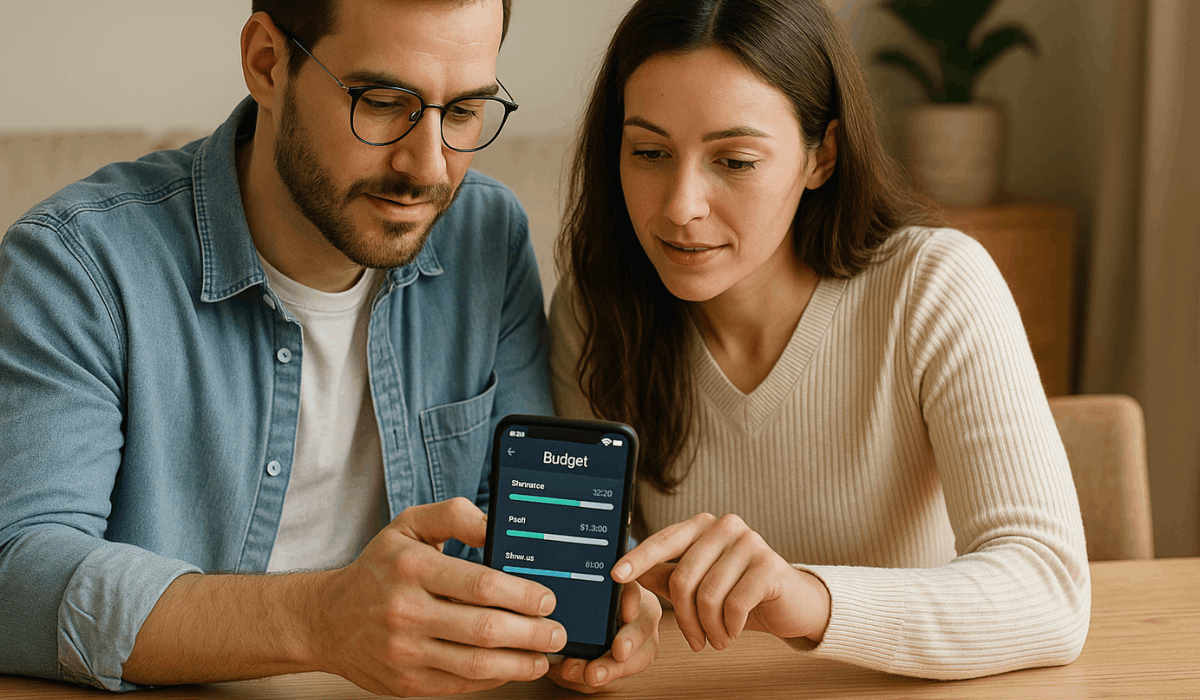
Managing money together as a couple or family can strengthen financial discipline and transparency.
Sharing access to spending records helps everyone stay aligned with goals and responsibilities. Here’s how to make joint tracking smooth and effective:
- Set shared goals – Agree on what you’re saving or budgeting for, like rent, groceries, or a family trip.
- Create clear categories – Divide expenses into personal and shared sections to avoid confusion.
- Assign roles – Decide who logs certain types of expenses or reviews reports.
- Communicate regularly – Discuss progress, spending habits, and adjustments needed.
- Use permissions wisely – Share only what’s necessary while keeping sensitive data private.
- Review together – Schedule a monthly check-in to review spending and set new goals.
Final Takeaway
Tracking your spending through mobile apps for tracking daily expenses is one of the most effective ways to manage your money.
By using the right app and sticking to consistent habits, you can understand your spending patterns and reach your financial goals faster.
Start today—download a trusted app and take control of your budget with confidence.