
Yokohama offers a cruise gateway for people exploring maritime employment. Cruise companies recruit staff for hospitality, entertainment, and technical operations.
Job availability depends on employers and worldwide assignments. This guide covers opportunities, eligibility, applications, documents, and onboard working conditions.
What Makes Cruise Ship Jobs in Yokohama Appealing?
Yokohama's terminals welcome international vessels carrying passengers and multinational crews. The city provides a useful starting point for researching cruise employment, although working from Yokohama does not guarantee an assignment departing there.
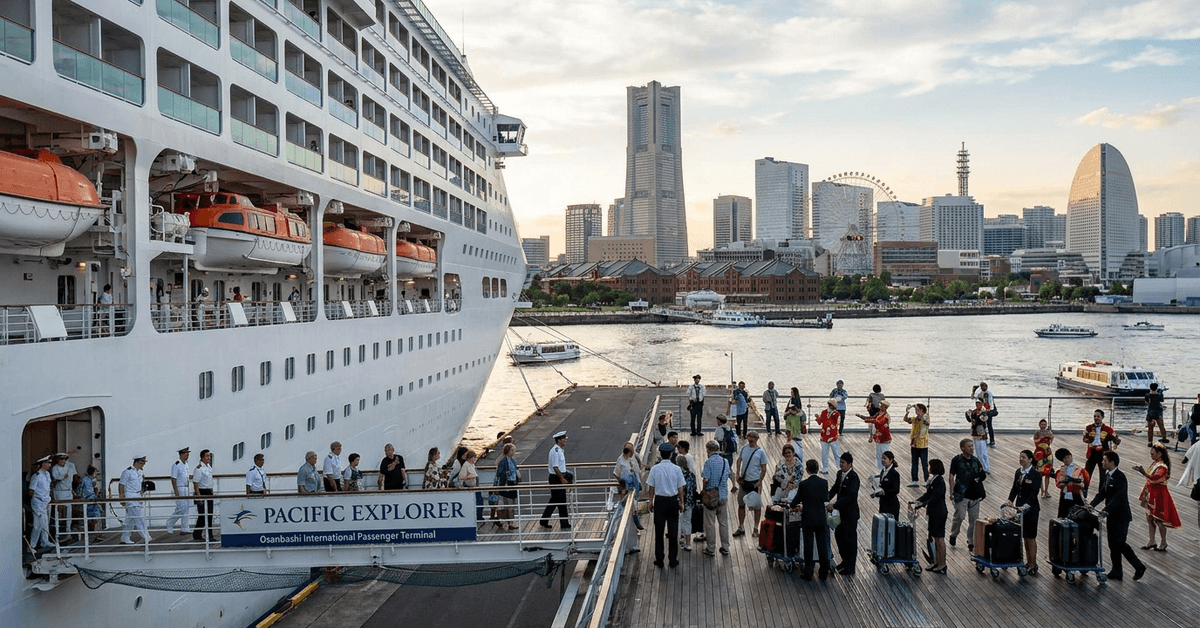
Gateway to Japanese and International Routes
The Port of Yokohama includes major terminals at Osanbashi, Daikoku, and Shinko. Visiting ships travel along Japanese coastal itineraries and wider international routes.
Yokohama cruise jobs may mean positions aboard ships calling at the port, rather than jobs based permanently in the city.
High Demand for Multilingual Staff
Cruise operators value clear communication among international passengers and crew. English is important for many onboard positions, while Japanese can help with guests visiting Japan.
Specific language requirements depend on the company, department, and responsibilities rather than the port alone.
Range of Roles Available
Ships employ hospitality workers, entertainers, technical officers, and service personnel. Experience requirements differ, with some guest-service roles accepting transferable skills and marine positions demanding specialist certification.

Searches for “working on a cruise ship Japan” should lead applicants to specific official job descriptions, not assumptions about immediate hiring opportunities.
Understanding Job Categories on Cruise Ships
Onboard positions generally fall into three categories covering passenger services, entertainment, and vessel operations. Each category has different training expectations, physical demands, and working schedules.
- Hotel operations: Housekeeping attendants, restaurant staff, chefs, receptionists, and spa professionals support passenger comfort.
- Entertainment and guest services: Activity hosts, performers, youth staff, and retail assistants organize experiences and assist travelers.
- Technical and deck: Marine engineers, deck officers, maintenance technicians, and security teams support vessel safety and operations.
How to Find Open Cruise Ship Jobs in Yokohama
Search official recruitment channels and confirm whether vacancies involve shipboard or shore-based employment. A ship visiting Yokohama does not necessarily recruit locally or allow employees to choose their embarkation port.
Cruise Line Official Careers Pages
Companies such as Princess Cruises, MSC Cruises, and Royal Caribbean publish shipboard vacancies through official career portals. Candidates can apply for cruise ship positions by selecting suitable departments and following the employer's regional instructions.
Check nationality-specific hiring routes, because recruiters may direct candidates to authorized partners in their countries of residence.
Recruitment Agencies Specializing in Maritime Careers
Some cruise companies work with authorized agencies for interviews, documents, and onboarding. Verify a recruiter's name against the operator's published hiring-partner list before sharing personal information.
Legitimate cruise lines do not charge recruitment fees, although applicants may have genuine costs for visas, medical examinations, or certificates.
Local Job Fairs and Port Community Boards
Port announcements or local events may highlight hospitality, logistics, and related employment opportunities. Yokohama port careers can also refer to shoreside terminal jobs rather than employment aboard ships.
Confirm the hiring employer and role before assuming a port advertisement leads to an international cruise contract.
Application Requirements and Eligibility
Employers check personal qualifications, language ability, work history, and readiness for life at sea. Specific age thresholds, travel documents, and maritime certificates differ between lines and positions.
- Updated resume: Highlight hospitality, customer service, maritime experience, and achievements relevant to the vacancy.
- Language proficiency: Show the English communication required for the role and useful Japanese abilities.
- Valid passport: Ensure sufficient validity for planned travel and requested visas.
- Medical fitness: Complete an accepted seafarer medical examination before joining when required.
- Role-specific certification: Provide maritime, safety, culinary, or technical qualifications requested by the employer.
Background Checks and References
Cruise employers commonly request background screening and references before finalizing recruitment. Some positions require additional verification because crew members work with passengers, equipment, or sensitive information.
Supply accurate records and follow official instructions rather than paying someone who promises to bypass checks.
Application Process Step-by-Step
The recruitment process usually begins online and continues through interviews and document checks. Timelines depend on vacancies, hiring regions and the ship's staffing schedule.
- Find vacancies on official cruise-line websites and select roles matching your qualifications.
- Prepare applications with a tailored resume and concise cover letter when requested.
- Submit documents through the employer or a verified recruitment partner.
- Complete interviews and assessments, sometimes through online video calls.
- Pass medical checks and obtain required travel or maritime documents after receiving instructions.
- Finish training and review joining arrangements before traveling to the ship.
Interviews and Assessments
Recruiters assess teamwork skills, service experience, and willingness to follow safety procedures. Questions may cover difficult passengers, emergency situations, and cooperation with colleagues from different backgrounds. Technical or performance roles may also require practical tests, demonstrations, or auditions.
Tips for a Successful Application
Strong applications demonstrate relevant experience and realistic expectations about shipboard routines. Use truthful examples, communicate professionally, and avoid unofficial recruiters promising guaranteed placement.
- Highlight languages and experience serving international customers or diverse teams.
- Research shipboard life, including shared cabins, limited privacy, and long working periods.
- Apply early when suitable openings appear, since recruitment and document processing take time.
- Follow up politely through the employer's stated channel and keep application references.
- Consider seasonal roles when advertised, without assuming every ship offers short contracts.
Legal and Documentation Considerations
International crew members must meet maritime regulations and immigration requirements relevant to their itinerary. Rules depend on nationality, vessel, destination countries, and onboard responsibilities.
Visas and Work Permits
Japanese departure does not automatically mean every crew member needs a standard Japanese work visa. Operators may arrange crew landing permissions, while international itineraries can require destination-specific visas such as a United States C1/D.
Check instructions from the cruise line and immigration authorities before traveling; a tourist status should never be assumed sufficient for employment.
Marine and Seafarer Medicals
Cruise employees generally need a fitness certificate from an accepted medical examination before embarking. Companies specify approved practitioners or clinics and whether additional vaccinations, safety training, or seafarer documentation is required.
Specialized deck and technical posts may need STCW certificates, whereas requirements for hotel roles can differ.
Potential Challenges and Realities of Cruise Ship Work
Life aboard may include shared accommodation, demanding schedules, and limited shore leave despite the appeal of travel. Contracts and assignments differ, so review wages, rest arrangements, medical coverage, and time away from family before accepting.
Conclusion
Yokohama is a valuable gateway to researching cruise opportunities in Japan. Verify vacancies through official cruise lines and approved partners.
Prepare accurate documents, understand assignment conditions, and check maritime requirements. Choose roles that match your skills and expectations about working at sea.