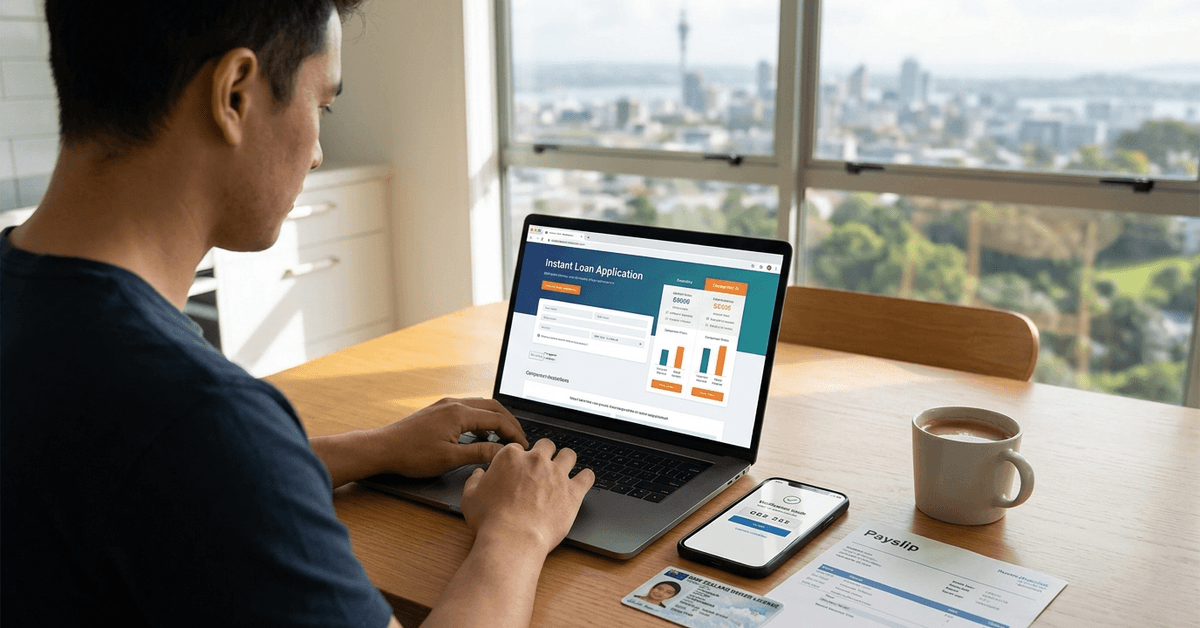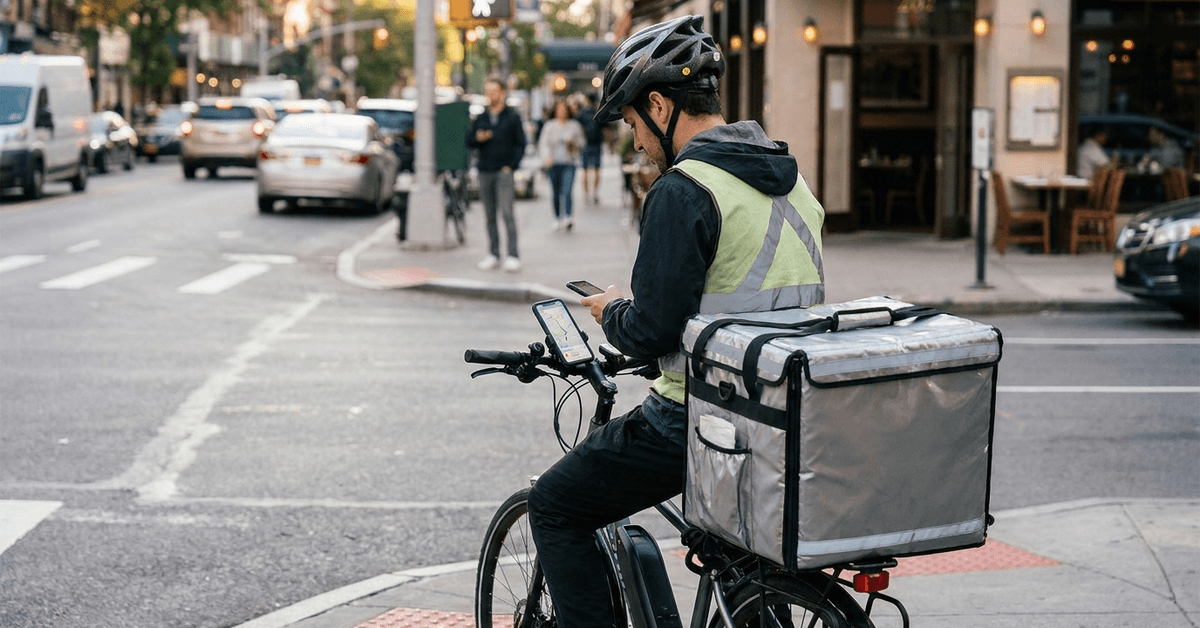
For anyone considering food delivery in Italy, understanding rider applications can make the process easier. This guide explains requirements, online registration, onboarding, and legal responsibilities.
It also covers equipment, earnings strategies, insurance, and competing platforms. Whether you are a student or seeking supplementary income, preparation helps you decide whether this flexible work suits your circumstances.
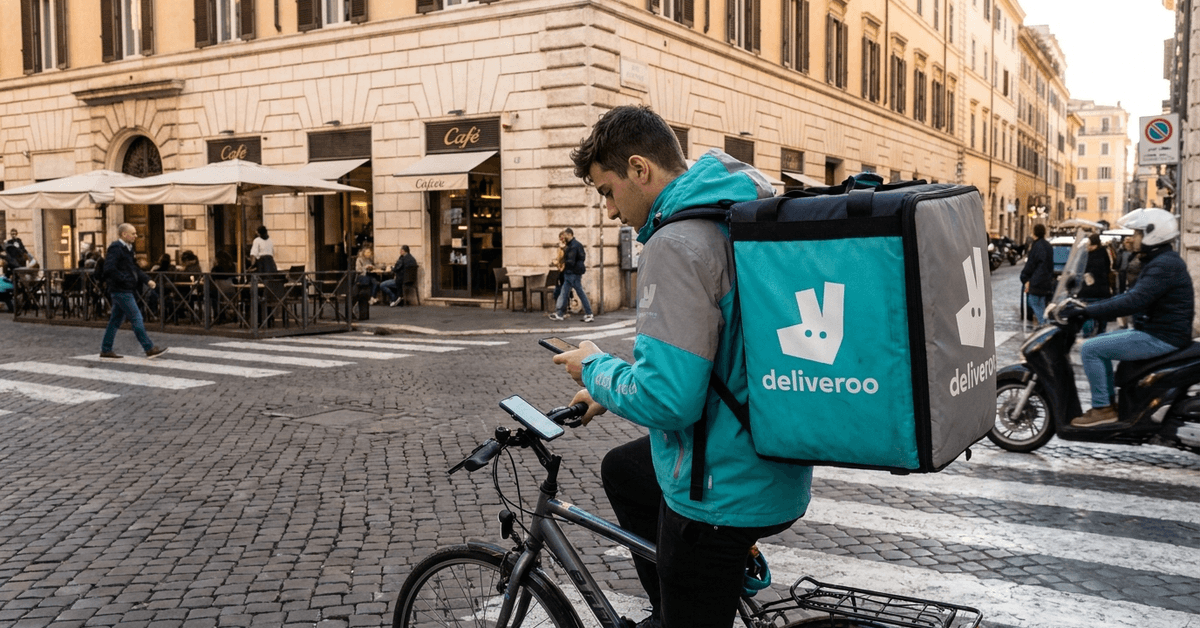
Why Deliveroo Riding Appeals to Job Seekers in Italy
Food delivery offers schedule flexibility to people balancing studies, family, or another occupation. Searches for Deliveroo rider Italy opportunities often focus on Rome, Milan, and Turin, where restaurants and customers create potential demand, although available orders and earnings vary.
Riders can decide when to go online and which delivery offers to accept, subject to platform rules. However, independent work involves unpredictable demand, running costs, and responsibility for organizing breaks and finances.
Exploring your neighborhood before committing can reveal whether local opportunities match your expectations. Demand often increases at mealtimes, but busy areas may attract many competing riders too.
Key Requirements for Becoming a Deliveroo Rider in Italy
Deliveroo sets basic eligibility conditions for new riders, including age, identification, and authorization to work. Check the current requirements before purchasing equipment or submitting documents.
- Minimum age: Applicants must be at least 18 years old.
- Identification: Provide a valid passport or electronic identity card and an Italian tax code, or codice fiscale.
- Work authorization: Non-EU applicants need an appropriate residence permit allowing work in Italy.
- Smartphone access: Use an iPhone running iOS 16 or later, or Android 8 or later, with reliable mobile data.
- Transport: Have your own suitable bicycle, scooter, or car, with a driving license when required.
- Bank account: Supply an IBAN in your own name and evidence of account ownership.
- Address evidence: Prepare current proof of your residence or domicile, as requested.
Starting the Application Process Online
The official Deliveroo rider portal explains the registration stages and accepts applications digitally. People searching apply for Deliveroo IT should use that verified website rather than unfamiliar recruitment links.
Enter your contact information, city, and preferred vehicle, then upload the requested documents. The platform reviews submissions before sending a contract invitation to successful candidates.
Recruitment timing depends on checks and demand, so approval is never automatic or guaranteed. Check your registered email regularly for legitimate updates, document requests, and further onboarding instructions.
Profile Verification and Required Documents
Use clear images of identification, work authorization, and bank ownership documents. Accurate information matters because names and addresses should match across records.
If a document is incomplete, expired, or unclear, follow the official instructions for uploading a replacement rather than creating another account.
Vehicle and Equipment Considerations
Bicycles, scooters, and cars are accepted where available, but each requires safe maintenance and compliance with road rules. Deliveroo provides a free basic rider kit, including insulated bags and gear suited to the selected vehicle.
Riders remain responsible for necessary vehicle insurance and should inspect brakes, lights, tires, and protective equipment before deliveries.
Onboarding: Navigating Training and Account Setup
Successful applicants sign their agreement, order the free kit, and download the Deliveroo Rider app. Official guidance also provides road safety and food transport resources to help new couriers understand daily responsibilities.
Getting to Know the Rider App
The app displays delivery offers and suggests routes to restaurants and customers. Its earnings section helps riders review completed jobs, fees, tips, and available incentives.
Become familiar with navigation, order collection, and support tools before attempting complicated routes or working during busy periods.
Training on Safety and Customer Etiquette
Keep food secure, follow traffic laws, and use appropriate protective equipment for your vehicle. Communicate politely with restaurant staff and customers, particularly when orders are delayed or delivery instructions are unclear.
Avoid checking messages while moving, and stop in a safe place whenever you need to use your phone.
Legal, Tax, and Regulatory Aspects to Know
Italian courier work includes tax obligations and employment classification rules that depend on the agreement and earnings. Deliveroo describes occasional work arrangements with a €5,000 annual gross ceiling and a different arrangement involving a partita IVA for continuing activity.
Track income earned from all relevant sources, and consult a qualified commercialista before choosing a tax arrangement.
Registration, withholding, invoicing, and INPS contributions may differ by individual circumstances, so avoid assuming that independent work is automatically free of administrative responsibilities.
Insurance and Accident Coverage
Deliveroo states that riders have INAIL protection for workplace accidents during deliveries. Additional third-party liability coverage may apply to damage caused while delivering, subject to policy terms and exclusions.
Personal vehicle insurance remains the rider's responsibility, so verify that your motor policy covers the intended delivery activity.
Practical Tips for Boosting Earnings as a Deliveroo Rider
Earnings depend on completed deliveries, local demand, and working expenses, not simply time spent online. Try different nearby restaurant areas and peak mealtimes while recording travel distances, waiting periods, maintenance costs, and actual take-home amounts.
Deliveroo displays a delivery fee before riders accept an offer, allowing them to evaluate individual requests. Payments are generally transferred monthly, by the tenth day of the following month.
Compare these payment arrangements with your budgeting needs, especially when relying on delivery income for essential expenses. Set aside funds for slower weeks and unexpected repairs instead of treating promotional bonuses as regular income.
Understanding Incentives and Boosts
Occasional incentives may reward eligible riders for particular deliveries or milestones. Check official notifications and read each offer's conditions before changing your schedule.
Extra payments are not guaranteed, and chasing bonuses should never mean ignoring fatigue, traffic laws, or operating costs.
Aim for Good Customer Ratings
Careful handling and respectful communication support a better experience for customers. Keep deliveries secure, check collection details, and report problems using official app support.
Positive feedback is useful, but it does not guarantee preferential offers, predictable earnings, or future selection for incentives.
Comparing Deliveroo With Other Food Delivery Apps in Italy
Glovo and Just Eat offer alternative opportunities in Italy, although their contracts and city coverage vary. Uber Eats discontinued food delivery operations in Italy in 2023, so it should not be presented as a current alternative.
People researching delivery jobs Italy can compare available openings, vehicle requirements, contract types, and payment terms.
Rider communities may offer local insights, but confirm details through each provider's official recruitment information before applying.
Conclusion
Becoming a Deliveroo rider can offer flexible opportunities for eligible people in Italy. Before applying, confirm identification, transport, work authorization, and financial responsibilities.
Anyone researching diventare rider Deliveroo should review official guidance and avoid assuming that income is guaranteed. Careful onboarding, safe travel, and realistic budgeting create a stronger foundation for delivery work.