
Fitness apps have become powerful tools for anyone aiming to live healthier and stay active.
They make it easy to track workouts, monitor nutrition, and stay consistent with daily habits.
This guide will help you understand how to use these apps effectively to improve your fitness and overall well-being.
Understanding What Fitness Apps Do
Fitness apps are designed to simplify how you track and manage your health goals.
They provide data, guidance, and motivation to keep your workouts consistent. Here’s what these apps can do for you.
- Activity Tracking: Monitors steps, distance, calories burned, and workout sessions.
- Goal Setting: Lets you define specific targets for weight loss, endurance, or muscle gain.
- Workout Plans: Provides pre-made routines or AI-generated programs tailored to your level.
- Nutrition Monitoring: Tracks calorie intake, macronutrients, and hydration.
- Progress Reports: Shows charts, summaries, and performance trends over time.
- Community Support: Connects you with other users for motivation and shared challenges.
- Sleep and Recovery Tracking: Analyzes rest quality to optimize energy and recovery cycles.
Main Types
Fitness apps come in different forms, each designed to meet a specific health goal. Some focus on workouts, while others track diet, sleep, or mindfulness.
Here are the main types you’ll commonly find and what each one does.
- Workout and Training Apps: Offer guided exercise routines, video tutorials, and progress tracking for strength, cardio, or flexibility.
- Nutrition and Diet Apps: Help you log meals, track calories, and balance macronutrients for better eating habits.
- Step and Activity Trackers: Record steps, distance, and daily movement to keep you active throughout the day.
- Mindfulness and Meditation Apps: Focus on stress relief, relaxation, and mental health through breathing and reflection exercises.
- Sleep Tracking Apps: Monitor sleep patterns and provide insights to improve rest quality.
- Comprehensive Fitness Platforms: Combine multiple features—training, nutrition, and wellness—into one integrated dashboard.
Choosing the Right Fitness App
Choosing the right fitness app depends on your goals, preferences, and the type of training you enjoy.
A good app should fit your lifestyle and be easy to use daily. Here are key factors to consider before deciding which one to download.
- Ease of Use: Choose an app with a simple, intuitive interface that makes tracking quick and straightforward.
- Compatibility: Make sure it works well with your phone, smartwatch, or fitness band.
- Accuracy: Look for apps known for reliable step counting, heart rate, and calorie tracking.
- Customization: Pick one that allows you to set personal goals, reminders, and workout intensity.
- Cost and Subscription Plans: Check for free features and understand premium upgrade costs.
- User Reviews and Ratings: Read honest feedback to see how the app performs in real-world use.
- Support and Updates: Choose developers who release regular updates and fix issues quickly.
Setting Up Your App for Success
Enter accurate details to get the best results from your tracking tool. Providing correct data helps it tailor workouts, goals, and reminders to your needs.
Here’s how to set it up for the best performance and long-term consistency.
- Enter Accurate Details: Include your correct age, weight, height, and fitness level.
- Define Clear Goals: Set measurable targets such as weight loss, endurance, or strength gain.
- Enable Notifications: Turn on reminders for workouts, meals, and hydration to stay consistent.
- Customize Your Dashboard: Keep only the most useful stats visible for faster tracking.
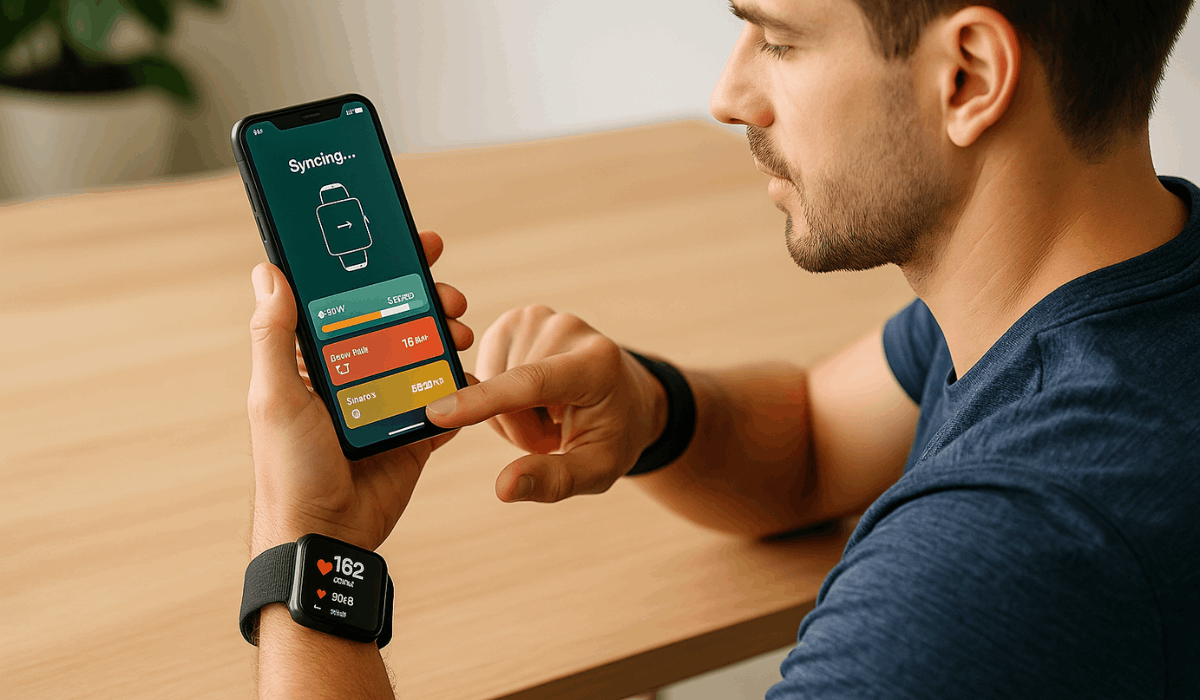
- Sync With Devices: Connect to wearables for automatic data updates and accurate results.
- Plan Your Schedule: Add workouts or check-ins to your calendar to build daily structure.
- Update Data Regularly: Adjust your profile as your weight, activity level, or goals change.
Integrating Fitness Apps Into Daily Routine
Making fitness apps part of your daily routine helps you stay consistent and motivated.
The goal is to turn tracking and training into simple habits that fit naturally into your day. Here are practical ways to integrate these apps effectively.
- Set Daily Reminders: Use app notifications to remind you to work out, drink water, or log meals.
- Start Small: Begin with short sessions or light tracking before expanding your goals.
- Sync With Wearables: Connect your smartwatch or band for automatic progress updates.
- Use Widgets or Shortcuts: Keep quick-access tools on your home screen to log activity faster.
- Track at the Same Time Each Day: Build consistency by logging data at fixed times, like after breakfast or before bed.
- Review Weekly Progress: Take time every week to check results and adjust your goals.
- Pair With Healthy Habits: Combine app use with real-life habits like walking breaks or balanced meals.
Using Fitness Apps with Wearable Devices
Wearable devices help you more easily achieve your health goals. They collect real-time data and sync automatically with your wellness apps.
Here’s how they can boost your tracking and performance.
- Real-Time Monitoring: Watches and bands track heart rate, calories, and steps instantly.
- Hands-Free Convenience: You can log workouts and check stats without opening your phone.
- Better Accuracy: Sensors measure movement, sleep, and activity more precisely than manual input.
- Seamless Syncing: Data updates automatically across your devices and accounts.
- Performance Insights: Get detailed feedback on endurance, recovery, and energy levels.
- Motivation Boost: On-wrist alerts and progress badges keep you active and accountable.
- Goal Automation: Some devices adjust targets based on your recent performance and habits.
Tracking Progress and Staying Consistent
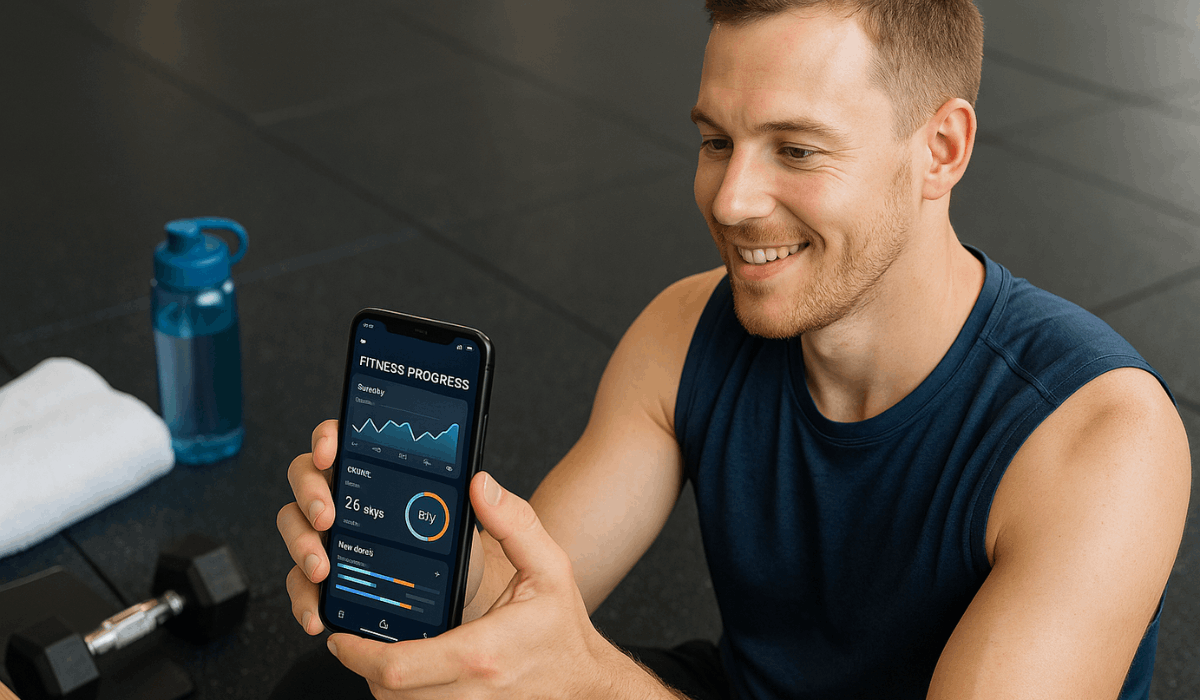
Tracking your progress helps you stay accountable and see how far you’ve come. It turns small efforts into measurable results that keep you motivated.
Here are practical ways to track improvement and stay consistent with your goals.
- Review Stats Regularly: Check your performance summaries weekly to monitor changes in weight, strength, or endurance.
- Use Visual Charts: Graphs and progress bars make it easier to see improvement over time.
- Set Short-Term Goals: Break big targets into smaller milestones to stay motivated.
- Log Every Session: Record all workouts and meals to keep your data accurate.
- Celebrate Small Wins: Reward yourself for hitting minor goals to maintain momentum.
- Adjust When Needed: If progress slows, tweak your plan or increase intensity gradually.
- Stay Consistent: Commit to daily tracking—even on rest days—to keep the habit strong.
Popular Fitness Apps to Consider
Here are some well-known fitness apps you can try. Each offers different features so you can pick one that suits your goals and style.
- Apple Fitness: Best suited for Apple device users; tracks workouts, rings for activity, and integrates with your watch.
- Strava: Great for running and cycling with GPS tracking and social features like sharing routes and performance.
- FitOn: Offers free workouts across cardio, strength, yoga, and more, with no equipment required.
- Home Workout – No Equipments: Lets you do workouts at home without needing any gym gear or machines.
- Nike Training Club: A strong option for strength, mobility, and full-body training with various sessions and levels.
Conclusion – Building a Sustainable Health Routine
Fitness apps make it easier to stay active, monitor your goals, and maintain a healthy routine.
They help you stay accountable, track results, and build lasting habits.
Start today by exploring trusted fitness apps and choosing one that fits your lifestyle for a stronger, healthier you.