
You need the right setup to compete effectively on the new map. This article will cover how to build practical and balanced CoD Warzone Loadouts that fit different combat situations.
The right configuration improves consistency, positioning control, and fight outcomes. Smart adjustments help you stay prepared from early drops to final circles.
Understanding the New Warzone Map Structure
The new map changes how fights develop across the match. You must understand terrain and engagement distance before selecting weapons.
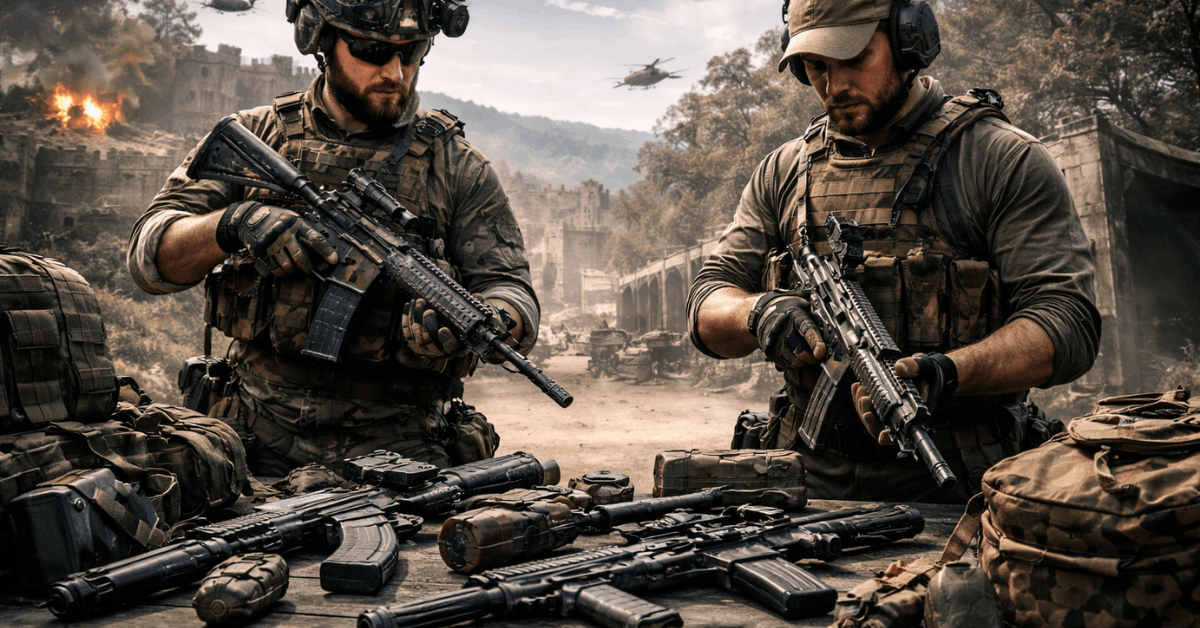
The layout includes open fields, dense structures, and vertical zones. Open areas reward long-range accuracy and strong recoil control. Urban clusters create close-quarters chaos that tests reaction speed.
Rooftop access increases the importance of elevation control. Rotational choke points punish careless movement during zone shifts. When you understand map flow, your weapon selection becomes strategic rather than random.
Engagement Distance Analysis
Different zones force different combat ranges. You must match your primary weapon to the most common fight distance.
Long sightlines favor assault rifles and sniper builds built for long-range dominance. Mid-range fights require stability and fast target tracking. Indoor areas reward SMGs and shotguns with high mobility.
Final circles often compress into tight spaces with limited cover. Predicting these patterns allows you to build smarter loadouts. Consistency improves when your weapon matches expected engagement distance.
Core Principles of Building Ultimate Loadouts
A strong loadout balances damage output and mobility. You must avoid building only for recoil or only for speed.
Your primary weapon defines your combat identity in every engagement. It should dominate your most frequent engagement range. Your secondary weapon must compensate for your primary weakness.
Attachment choices must improve control without sacrificing handling speed. Magazine size must support squad fights without slowing reload time. Balanced tuning makes your loadout reliable under pressure.
Attachment Optimization Strategy
Attachments directly affect your time-to-kill performance. You must select components that support your combat role.
- Choose barrels that increase bullet velocity for long-range control
- Use underbarrels that stabilize vertical recoil during sustained fire
- Select optics that match your comfort level and visual clarity
- Equip extended magazines for sustained squad fights
- Balance rear grips for recoil stability or sprint-to-fire speed
Every attachment must serve a purpose within your overall strategy. Random combinations reduce weapon efficiency and responsiveness.
Testing your build improves consistency in real matches. Smart tuning separates average players from disciplined competitors through weapon optimization.
Best Long-Range Loadouts for Open Zones
Long-range control wins fights in exposed areas. You must build for accuracy and sustained pressure. Assault rifles with high bullet velocity dominate mid-to-long range gunfights.
A stable optic between 3x and 4x improves tracking precision. Vertical recoil control increases accuracy in sustained fire bursts. Extended magazines support multi-target engagements in open terrain.
Snipers work best when paired with strong close-range backup weapons. Long-range builds require patience, positioning, and strong zone awareness.
Sniper Support Strategy
Sniper players must control elevation and rotation timing. You should hold ridgelines and rooftops when possible. Pair your sniper with a mobile SMG for emergency defense situations.
Avoid standing still after firing to prevent counter-snipes from distant enemies. Use suppressors to reduce visibility on the minimap during rotations.
Control zone entry points instead of chasing unnecessary eliminations. Positioning determines sniper success more than raw aim. Smart rotation keeps you alive longer across exposed sightlines.
Best Close-Quarter Loadouts for Urban Combat
Close fights happen fast and punish hesitation. You must prioritize mobility and reaction speed. SMGs dominate building interiors and tight staircases during aggressive pushes.
High sprint-to-fire speed increases survival in surprise engagements. Hip-fire accuracy reduces ADS delay during close pushes. Lightweight stocks improve strafing control in confined areas.
Shotguns work well in tight corridors but require positioning discipline. Close-range builds reward aggression supported by situational awareness.
Movement-Based Playstyle
Mobility changes how you survive close engagements. You must move unpredictably to avoid getting tracked by enemies.
Strafing during gunfights reduces enemy accuracy under pressure. Slide timing improves positioning during pushes and retreats. Tactical sprint management prevents exhaustion in long chases.
Reload timing must match cover usage during tight fights. Aggressive players succeed when movement complements firepower. Speed without control creates unnecessary risk and reduces fight consistency.
Mid-Range Hybrid Loadouts for Balanced Play
Most fights occur in mid-range transitions between zones. You must build weapons that handle both 20 and 50-meter engagements. Balanced assault rifles offer strong recoil control and moderate mobility.
LMG builds provide suppressive fire for squad support roles. Mid-range optics improve tracking without sacrificing awareness of surroundings.
These builds work well during mid-game rotations across varied terrain. Flexibility allows you to respond to unpredictable fights. Balanced builds reduce dependence on perfect positioning and increase adaptability.
LMG Support Role
Support players influence fight pacing through sustained pressure. You should control enemy movement with continuous fire.
LMGs provide high ammo reserves for effective area denial. Suppressive fire forces enemies to reposition or retreat. Larger magazines reduce reload interruptions during squad engagements.
Support roles must stay slightly behind entry players during pushes. Proper spacing prevents team wipes during chaotic fights. Coordination multiplies the effectiveness of sustained fire and strengthens overall team synergy.
Perk Packages and Tactical Equipment Strategy
Perks enhance your survival and stealth in critical moments. You must select perks that match your combat role.
Movement perks increase repositioning speed during fights. Explosive resistance reduces damage from grenades and launchers. Ghost protects you from UAV detection and tracking.
Tracker assists aggressive pushes by revealing enemy footsteps. Tactical equipment controls fight tempo during engagements. Lethal equipment supports entry or defensive play with strategic utility advantage.
Tactical and Lethal Choices
Equipment selection influences rotation and engagement strategy. You must adapt your choice to the circle positioning and the team plan.
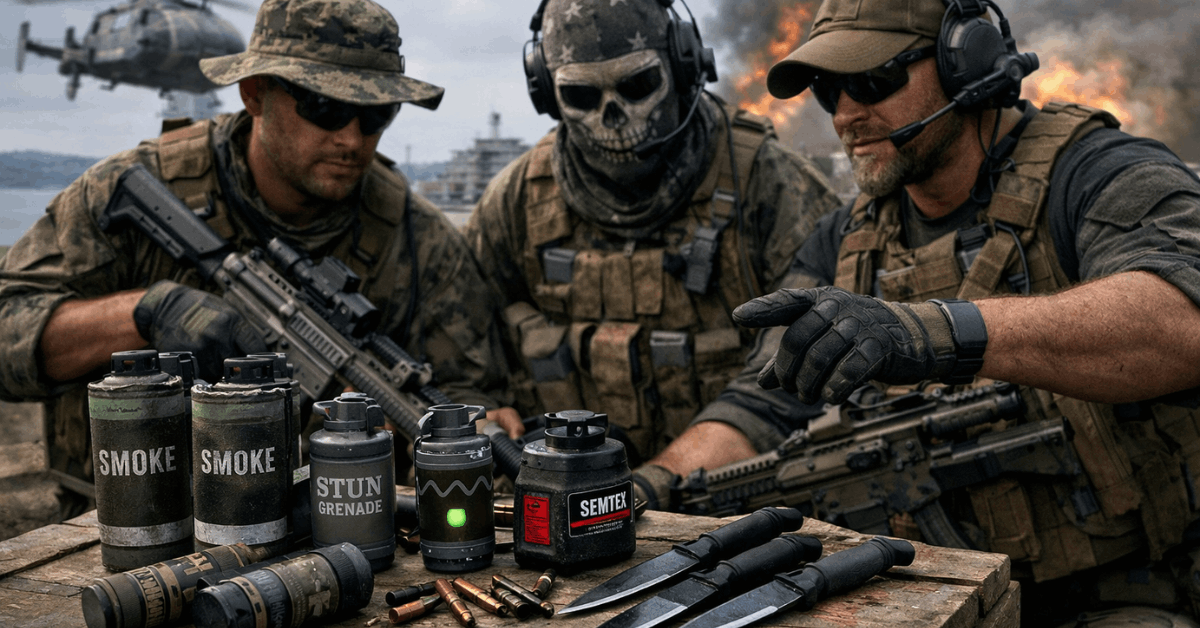
- Smoke grenades create safe rotation paths under enemy fire
- Stun grenades disable enemies during aggressive pushes
- Snapshot grenades reveal hidden opponents inside buildings
- Semtex secures quick finishes on downed enemies
- Throwing knives allows silent eliminations without alerts
Each choice supports a specific playstyle within the squad. Equipment should align with your weapon strengths and role.
Smart usage increases team survival in chaotic circles. Discipline improves late-game performance through proper equipment management.
Squad Composition and Role-Based Loadouts
Your loadout must complement your team structure for consistent results. Every squad should assign clear and defined roles. Entry players lead pushes and require high mobility weapons.
Anchor players hold long sightlines and protect rotations. Support players manage resources and suppress advancing threats. Balanced squads avoid overlapping weapon roles that limit flexibility.
Communication strengthens each player’s impact during fights. Team coordination improves win probability through defined role execution.
Early, Mid, and Late Game Adjustments
Different match phases demand different priorities in combat. You must adjust your playstyle as circles shrink. Early fights reward aggressive and fast-firing builds during chaotic drops.
Mid-game requires smart rotations and balanced weapons for control. Late-game circles favor close-range dominance and fast reactions.
Final zones compress space and punish slow decision-making. Adaptation separates consistent winners from static players. Flexibility improves survival across all phases through strategic phase awareness.
Advanced Optimization and Meta Awareness
You must monitor balance changes after updates and patches. Weapon adjustments affect viability and performance. Testing builds in controlled matches improves confidence before ranked play.
Monitor recoil patterns during practice sessions to refine control. Adjust sensitivity settings to improve tracking stability. Minor tuning adjustments increase consistency during pressure fights.
Awareness of meta shifts keeps your builds competitive. Continuous refinement improves your competitive edge over time.
Building Loadouts That Win More Gunfights
You win more fights when your weapons match the map layout and circle pressure. Well-built CoD Warzone Loadouts improve control, reaction time, and engagement consistency.
Balanced attachments help you maintain accuracy without losing mobility. Strong coordination and disciplined preparation turn solid builds into reliable victories.