
Factory and packing roles attract people seeking steady employment in Japan. These roles serve residents and international applicants.
Conditions and immigration requirements vary by employer. This guide covers eligibility, job searches, applications, pay, safety, and support resources.
Why Pursue Factory and Packing Jobs in Japan?
People exploring packing jobs Japan may appreciate structured tasks, regular schedules, and predictable workplace routines. Some employers offer housing or transport assistance, depending on contract.
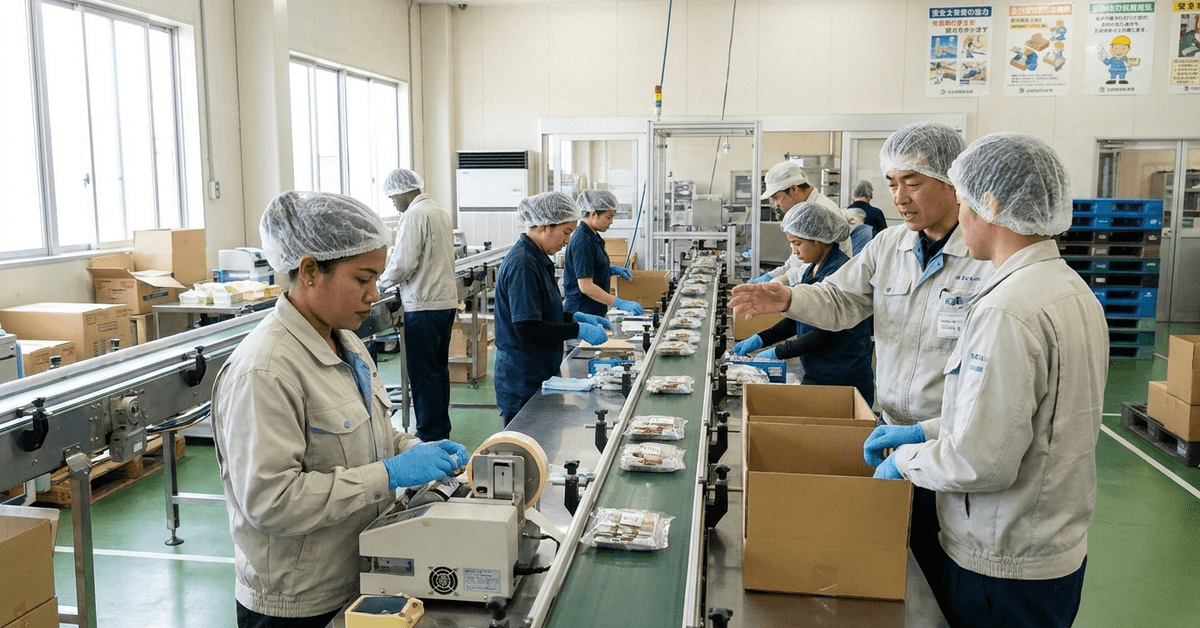
Understanding Eligibility and Basic Requirements
Many entry-level roles emphasize practical skills rather than specialized qualifications. Foreign applicants must confirm their residence status permits the work.
Visa and Work Permit for Foreigners
People researching “factory work Japan for foreigners” must check permitted activities under their residence status. Japan's Specified Skilled Worker pathway covers designated manufacturing occupations, subject to skills and language tests unless exempt.
The Technical Intern Training Program remains relevant during its transition to a new system, but ordinary packing tasks do not automatically qualify for either immigration status.
Language Proficiency Expectations
Basic Japanese communication helps employees understand safety warnings, supervisor instructions, and shift changes.
Specified Skilled Worker manufacturing applicants generally need an approved Japanese test, such as JLPT N4 or JFT-Basic, unless exempt. Other workplaces set their own language expectations, so confirm requirements before applying.
Physical and Medical Requirements
Packing may involve repeated movements, standing, lifting, or work near machinery. Employers can require health checks appropriate to a role and applicable regulations. Read the physical demands carefully, ask about protective equipment and workplace adjustments.

How to Find Reliable Factory and Packing Job Listings
Trusted employment channels make it easier to compare duties, location, and contract conditions. Listings should explain the employer, work authorization, pay, shifts, and recruitment fees.
Popular Online Job Portals
Use reputable jobboards and official company pages rather than relying on anonymous advertisements. When finding packing work in Japan, compare listings and verify vacancies.
- GaijinPot Jobs and Jobs in Japan sometimes feature foreign-applicant listings.
- Indeed Japan offers searchable manufacturing and warehouse vacancies.
- Company recruitment pages, including Yamato Transport and Panasonic, list positions directly.
- Hello Work provides public employment services and regional vacancies.
Recruitment Agencies and Dispatch Companies
Japanese staffing firms, called dispatch agencies or haken gaisha, may connect workers with manufacturing sites.
Ask who employs and supervises you, and whether assignments change. Check agency legitimacy and request written terms covering wages, housing, and deductions.
The Step-by-Step Application Process
Recruitment commonly includes document screening, an interview, and onboarding. Procedures differ for direct hiring, dispatch work, and visa sponsorship.
Application Submission
Prepare a current resume, using a rirekisho if requested. Include experience, availability, skills, and work authorization without exaggeration.
People searching to apply for warehouse jobs Japan should match each application to the posting rather than sending identical documents everywhere.
Initial Screening and Interview
Recruiters may assess work readiness, Japanese communication, and ability to follow routines. Interviews take place online or in person, sometimes with a practical exercise.
Prepare examples showing punctuality, teamwork, safe handling of goods, and comfort with repetitive assignments.
Medical Check and Onboarding Documents
Some positions require health screening depending on the work and company policies. Employers may request identification, residence cards, certificates, and bank details.
Do not submit sensitive records to unverified recruiters or assume every applicant needs identical paperwork.
Starting Work and Training
Most workplaces provide initial training on equipment, safety rules, attendance, and performance standards. Request demonstrations for unfamiliar tasks, especially near machinery.
Observe how experienced colleagues handle tools and follow reporting procedures for hazards or injuries.
Tips for Increasing Your Chances of Getting Hired
Competition varies by region and season; documentation and availability matter. These habits may help show reliability without guaranteeing an offer.
- Practice workplace Japanese, especially safety instructions and common terms.
- Keep your passport, residence documents, and certificates up to date.
- Explain your availability for shifts honestly and consistently.
- Highlight teamwork, attention to detail, and willingness to learn.
- Attend interviews punctually and dress neatly for the setting.
Important Working Conditions and Pay Expectations
Wages vary by prefecture and employer, with urban pay often offset by living costs. Japan’s 2026 minimum-wage revisions, with an announced nationwide weighted average of ¥1,177, take effect on different dates, so verify the applicable local floor rather than relying on outdated national estimates.
Shifts and Breaks
Factories may run day shifts, night shifts, or rotating schedules. Japanese labor rules generally require breaks of at least 45 minutes when work exceeds six hours and one hour when it exceeds eight hours.
Ask about overtime premiums, rest days, shift rotations, and transportation after late shifts, especially in remote industrial areas.
Contract Types
Employment may be full time, part time, fixed term, or arranged through a dispatch employer. Insurance, pensions, and paid leave depend on legal and contractual conditions.
Confirm hourly pay, deductions, renewal terms, overtime arrangements, and housing obligations before accepting.
Legal, Safety, and Rights for Workers
Japan's labor protections apply to foreign workers as well as Japanese employees. Immigration status affects permitted activities, but does not remove basic workplace safety and wage rights.
Workplace Safety
Employers should provide safety instructions suited to workplace hazards. Workers must follow protective procedures, report injuries, and avoid operating unfamiliar machinery without training. Ask a supervisor or labor office for help if unsafe tasks or unclear instructions continue.
Your Rights as a Foreign Worker
Foreign employees deserve fair treatment under applicable employment laws. Employers should not improperly retain passports or impose unlawful recruiting charges. For problems, retain records and contact a labor office, union, or consulate.
Resources for Getting Further Support
Reliable support services can clarify job listings, immigration questions, and employment disputes. Check official services and available language assistance, including multilingual counselling for foreign residents.
- Hello Work public employment offices and foreign employment service centers.
- Japan Association for Working Holiday Makers, when relevant to your status.
- Foreign Residents Support Center (FRESC) for coordinated government guidance.
Common Challenges: What to Expect and How to Adapt
New workers may need time to understand workplace customs, shift routines, and team communication. Punctuality, careful instructions, and respectful questions can ease adjustment without requiring perfection immediately.
Mental and Physical Health Considerations
Repetitive duties can create physical fatigue or boredom, particularly during long shifts. Follow safe lifting practices, take permitted breaks, and report discomfort before it worsens.
Where available, task rotation, supportive colleagues, and adequate rest can make routines more sustainable.
Conclusion
Factory and packing jobs can offer practical opportunities for qualified workers in Japan. Visa rules, language expectations, and wages differ across positions.
Use official listings, review contracts, and prioritize safety throughout your search. Careful preparation makes decisions about employment and relocation more informed.