
The newest agent is redefining Valorant esports through an unprecedented fusion of healing, combat enhancement, and area control that fundamentally challenges how professional teams approach the Controller role.
Miks, Croatia’s first representative in the agent roster and the game’s 30th playable character, debuted at Masters Santiago 2026 with a toolkit that prioritizes aggressive tempo-setting over traditional passive smoke strategies.
This hybrid support-controller design arrives at a crucial moment when double-controller compositions dominate the competitive landscape following major ability nerfs in Patch 11.08.
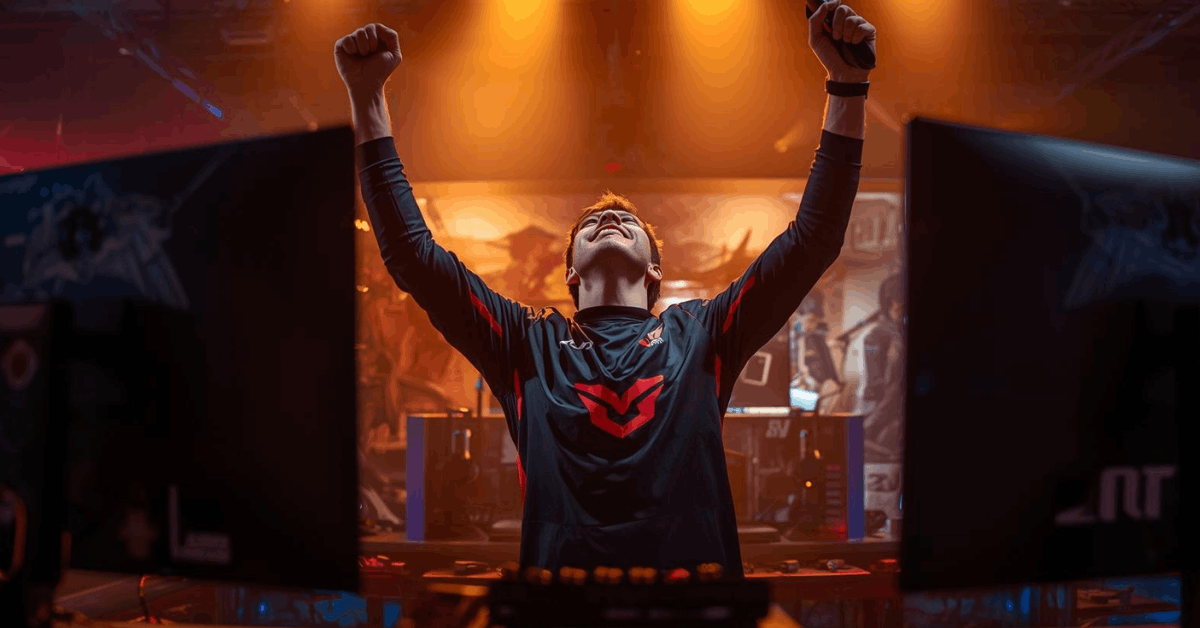
Meet Miks: The Hybrid Controller
Miks breaks the controller mold established by passive anchors like Brimstone and Astra, introducing direct team support mechanics previously reserved for sentinel and initiator roles.
Croatian representation adds geographical diversity to an agent roster increasingly drawing from global cultures and competitive scenes.
The 30th agent slot carries significant expectations given recent meta disruptions from agents like Tejo, whose dominance at Masters Bangkok 2025 necessitated aggressive nerfs that removed him from viable team compositions.
Design Philosophy Behind Aggressive Support
Riot Games designed Miks to “set the tempo” of matches through abilities that enable rather than restrict team movement across contested map areas.
Traditional controllers excel at slowing enemy pushes and obscuring sightlines, creating defensive advantages through information denial and area lockdown.
Miks flips this paradigm by providing offensive utility that accelerates engagements, rewards kill conversions, and sustains teammates through extended site takes. This philosophical shift addresses professional feedback requesting more proactive controller options beyond smoke placement and map control.
Miks’s Complete Ability Kit
Understanding each ability’s tactical applications reveals how Miks integrates into coordinated five-player strategies while maintaining individual playmaking potential.
The kit balances standardized controller expectations through Waveform smokes against innovative support tools that differentiate this agent from established picks.
Cost efficiency and cooldown timers will determine whether Miks becomes a must-pick or situational counter-pick as teams explore optimal ability sequencing.
- Waveform (E): Standard map-targeted smoke screens providing visual obstruction identical to traditional controller offerings, ensuring baseline utility coverage regardless of team composition or map selection
- M-Pulse (C): Deployable device toggling between healing allied agents within range or applying concussion effects to enemies caught in the area of effect, creating versatile defensive or offensive applications
- Harmonize (Q): Grants movement speed and fire rate increases to Miks and one targeted teammate, with the combat stim refreshing completely upon securing eliminations during the buff duration
- Bassquake (X): Ultimate ability firing directional sonic blasts that simultaneously knock back affected enemies, apply deafening audio disruption, and reduce movement speed for several seconds
How Miks Changes Controller Dynamics
Controller agents traditionally serve as passive enablers, creating conditions for duelists and initiators to execute aggressive plays while maintaining defensive flexibility through area denial.
Miks challenges this established role division by actively participating in engagements through healing, sustainability, and offensive buffs.
Professional teams accustomed to positioning controllers in safe positions must reconsider positioning priorities when Harmonize requires proximity to buffed teammates.
The Supportive Controller Revolution
M-Pulse represents the first controller ability providing direct healing to teammates, a mechanic previously exclusive to Sage’s barrier orb and healing orb within the Sentinel class.
Toggle functionality between healing and concussion forces constant situational awareness and anticipatory decision-making as controllers predict whether upcoming seconds demand sustain or disruption.
Teams coordinating around M-Pulse placement gain advantages in extended post-plant scenarios where traditional controllers offer minimal utility beyond smoke refreshes.
Tempo Acceleration Through Combat Stims
Harmonize fundamentally alters engagement pacing by enabling speed-boosted entries that compress defensive reaction windows while increasing offensive fire rate for faster time-to-kill conversions.
The kill-refresh mechanic rewards successful trades, potentially sustaining combat stims through entire site executions if entries convert to eliminations.
Duelist players traditionally relying on self-sufficient entry tools gain supportive acceleration from controllers positioned for follow-up rather than distant smoke placement.
Impact On Competitive Compositions
Early adoption patterns at Masters Santiago suggest Miks slots into double-controller compositions alongside Omen or Viper, replacing traditionally passive secondary controllers with aggressive support utility.
The ability to heal duelists between engagements reduces reliance on sentinel sustain, potentially enabling double-duelist compositions that maximize Harmonize’s combat stim benefits.
Teams prioritizing fast-paced aggression find synergy with Miks’s tempo-setting toolkit, while defensive-minded rosters struggle to extract value from abilities demanding proactive deployment.
Synergy With Duelist-Heavy Strategies
Aggressive double-duelist compositions featuring Neon and Yoru gain sustainability through M-Pulse healing that traditionally required sentinel picks like Sage or Killjoy defensive positioning.
Combat stims amplify duelist entry potential, creating scenarios where buffed Jett or Raze players close distance gaps before defenders establish crossfire positions.
Professional teams running Yoru-centric strategies benefit from Harmonize’s targeted buff system, enabling the teleporting duelist to engage with enhanced fire rate during ultimate-enabled flanks.
Countering Static Defensive Setups
Bassquake’s knockback and deafening effects disrupt carefully positioned defensive crossfires that dominated late-2025 competitive play following Patch 11.08’s ability cooldown increases.
Teams struggling against Cypher-Killjoy sentinel stacks find answers in sonic disruption that forces repositioning regardless of trap networks or turret coverage.
The ability to combine standard smokes with area-denial ultimates provides alternatives to initiator-dependent execution strategies, reducing compositional rigidity around Sova-Fade pairings.
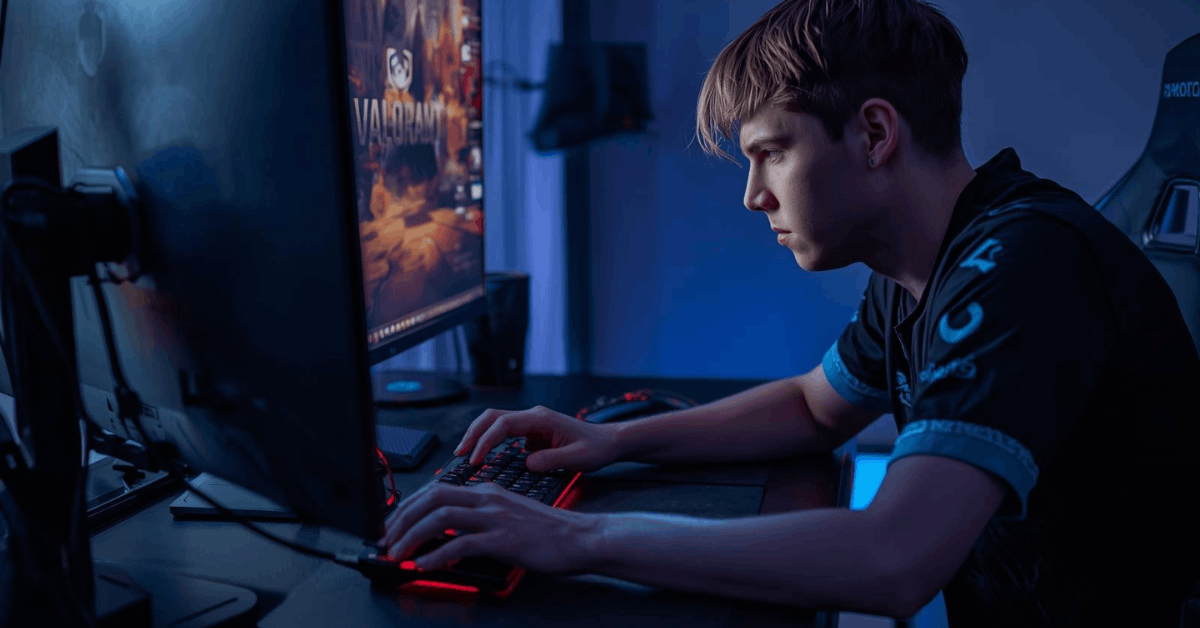
The 2025 Meta Context
Understanding Miks’s potential impact requires examining how professional compositions evolved throughout the 2025 VCT season following Tejo’s brief dominance and subsequent removal from viability.
Omen finished 2025 as the most-picked controller across all competitive stages, appearing in 45% of professional compositions alongside Viper’s consistent secondary controller presence.
The Omen-Viper pairing dominated double-controller strategies from Stage 2 through Champions Paris, establishing baseline expectations for controller utility that Miks must now challenge.
Patch 11.08
Patch 11.08 released in October 2025 dramatically altered ability impact through longer cooldowns, reduced damage outputs, and shorter stun durations across most agents.
These changes shifted competitive philosophy toward ability conservation and gunplay emphasis, creating slower-paced matches where utility efficiency matters more than ability spam.
Controllers adapted by prioritizing smoke economy and positional value over aggressive ability usage, establishing the passive meta Miks now disrupts through healing and combat stims.
Early Adoption at Master’s Santiago
Masters Santiago 2026 represents the first major international event where professional teams access Miks in competitive settings following the March 15 reveal during Grand Finals pre-show festivities.
The four remaining semifinalist rosters lack preparation time for integrated Miks strategies, creating opportunities for teams adapting fastest to the new controller meta.
Showmatch exhibitions featuring the agent alongside the new Knockout game mode provide preliminary demonstrations of ability applications before widespread competitive adoption begins.
Aggressive Neon-Yoru Duelist Favor
Tournament observers noted immediate interest from teams currently running double-controller compositions, particularly Pacific region rosters favoring aggressive Neon-Yoru duelist pairings that synergize naturally with combat stim mechanics.
EMEA representatives maintaining Omen-centric strategies showed hesitation toward Miks adoption, suggesting regional meta differences will influence pick rates as the VCT 2026 season progresses.
Americas teams experimenting with Vyse-Cypher sentinel combinations expressed interest in replacing traditional secondary controllers with Miks’s healing utility.
Conclusion
Miks arrives at a pivotal moment when Valorant esports demands fresh controller options beyond the Omen-Viper duopoly dominating professional play since mid-2025.
Professional teams gain tactical flexibility through an agent challenging decade-long assumptions about controller positioning and ability sequencing priorities. The success of Miks in competitive settings depends entirely on whether the healing and combat enhancement justify sacrificing traditional controller staples like Astra’s stars or Brimstone’s Molly lineups.
The newest agent is redefining Valorant esports not through raw power creep, but through philosophical shifts demanding teams reconsider fundamental assumptions about what controllers contribute beyond smoke placement.