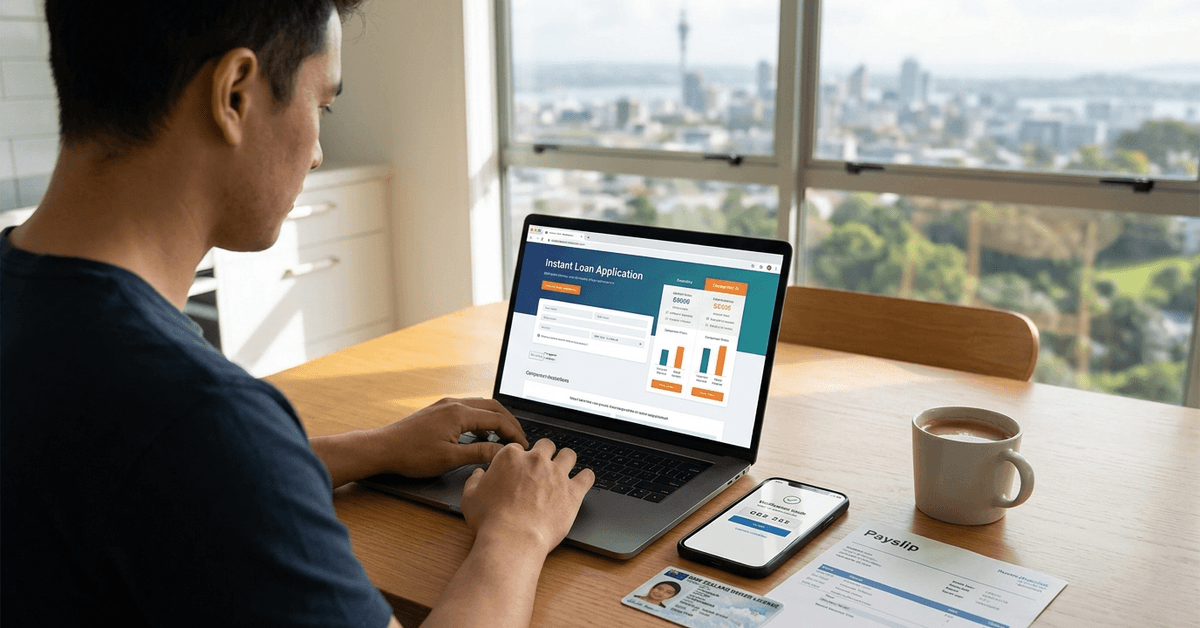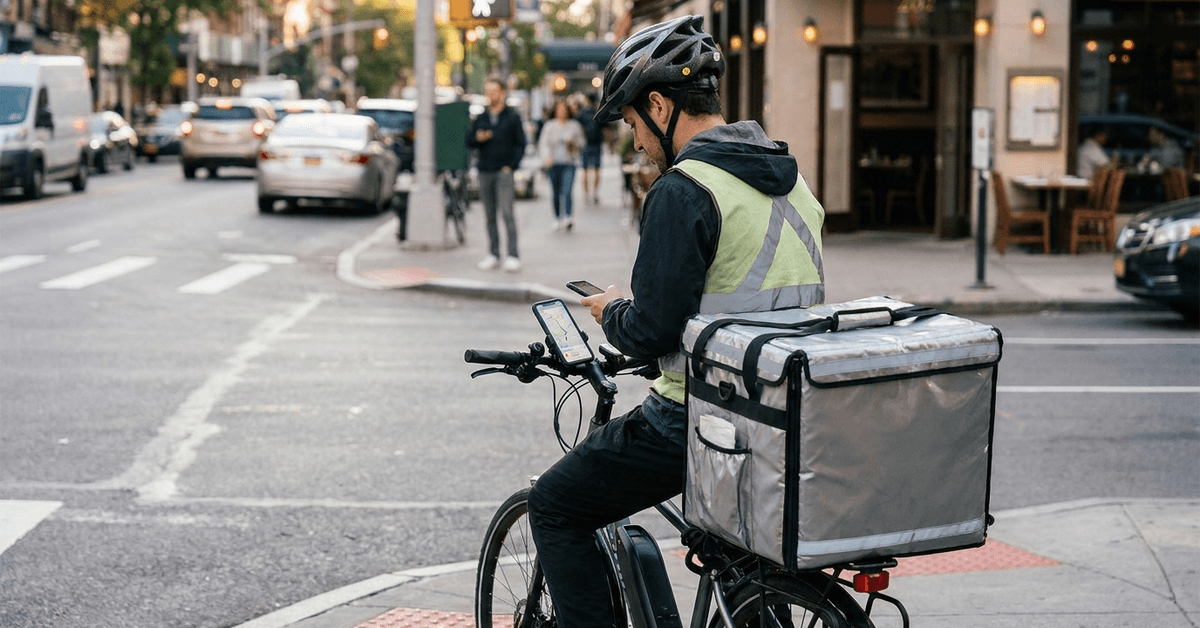
People searching for food delivery jobs France often want flexible income and control over their schedules. Students, newcomers, and workers between jobs may find opportunities in busy cities.
This guide explains eligibility, registration, platforms, earnings, and legal responsibilities. It also shares practical advice about safer deliveries and realistic expectations.
Why Food Delivery Jobs Remain Popular in France
Restaurant orders create courier demand across large cities and smaller communities. People browsing emplois livraison de repas value scheduling freedom, although workload changes with location, weather, and customer habits.
Urban Demand Fuels Opportunity
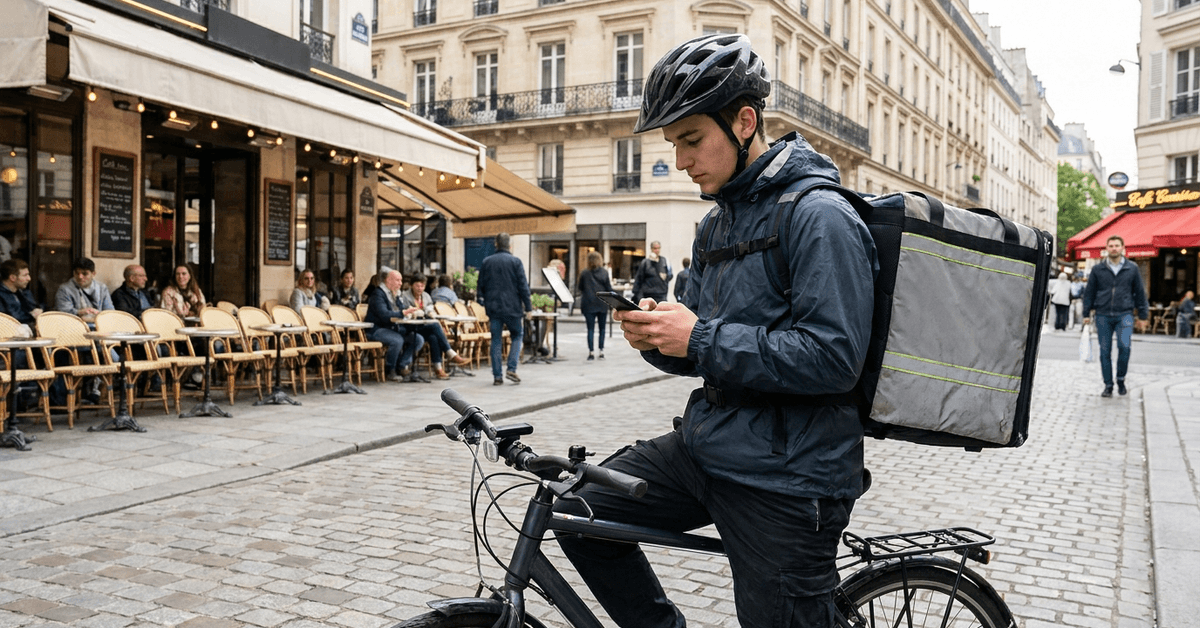
Paris, Lyon, and Marseille feature numerous restaurants and residential neighborhoods. Their urban activity and dense restaurant clusters can support orders during lunch, dinner, and weekends.
Smaller towns and suburbs may also provide opportunities, but availability varies substantially between delivery zones and weekdays.
Popular Platforms Dominate the Market
Uber Eats and Deliveroo connect restaurants with independent couriers in France. Other services, including Stuart, handle restaurant and retail deliveries in selected areas, sometimes using a courier arrangement.
Just Eat ceased French operations in December 2024, so it is no longer an active recruitment option.
Gig Work Suits Many Lifestyles
Some couriers deliver between classes or alongside another job. Others work longer hours around lunch, dinner, and weekend demand when their availability allows.
Flexibility does not guarantee regular earnings, and independent riders must consider unpaid waiting time, equipment expenses, and sufficient rest.
How to Prepare for the Application Process
Preparation helps prevent document delays and wasted registration attempts. Check authorization, paperwork, and transport requirements before choosing a platform.
Check Legal Eligibility to Work
Applicants must have the legal right to perform the intended delivery activity in France, not merely reside there. EU citizens generally have work rights, while other residents need a status allowing the relevant employment or self-employment.
A permit allowing salaried employment does not necessarily authorize independent courier work, so eligibility requires careful verification.
Gather Personal Information
Prepare valid identification, contact information, and a French bank identity statement called a RIB. A platform may request business registration evidence, a profile photograph, banking documentation, or additional identity verification.
Confirm whether specific background checks apply rather than assuming every service requests them for all applicants.
Review Equipment and Condition Requirements
Bicycles need working brakes, visible lights, and properly maintained tires suitable for city riding. Motorized vehicles may require specific insurance, registration, licensing, and transport permissions.
Use a suitable insulated delivery bag and appropriate safety equipment, and check the platform's accepted vehicle types before purchasing anything.
Step-by-Step: Applying to Food Delivery Platforms in France
People searching apply delivery driver France guidance will usually encounter online registration and account-based updates. The following steps outline a typical process, although requirements and approval times differ.
- Visit official pages: Find the courier registration section rather than following unverified recruitment advertisements.
- Enter personal details: Supply accurate identification, contact information, and evidence of work authorization.
- Upload documents: Provide requested business records, bank details, identity documents, and relevant vehicle insurance.
- Review safety guidance: Complete any compulsory training or platform introduction before accepting deliveries.
- Finish onboarding: Attend a call or session only if the service requests one.
- Await verification: Check account notices and email; processing depends on document checks and local capacity.
- Install the app: Once approved, use the official courier application to manage requests and earnings.
Legal and Tax Responsibilities for Food Delivery Drivers
Independent couriers commonly use France's micro-entrepreneur status, which involves registration and reporting obligations. Employment arrangements differ, so confirm your legal classification before starting.
Registering as a Micro-Entrepreneur
Create a business through the official guichet unique at formalites.entreprises.gouv.fr, where entrepreneurs declare the activity they intend to perform. This registration process provides business identification, including a SIRET number, after the application is processed.
The separate Urssaf portal is used for social contribution declarations, and applicants should avoid unnecessary paid registration services.
Social Security and Insurance
Independent workers generally report turnover and pay social contributions under applicable rules, even with irregular monthly revenues.
Motorized transport requires appropriate road insurance, while some platforms provide supplementary accident coverage. Confirm exclusions and whether your policy covers deliveries performed for payment, not just private journeys.
Annual Tax Declarations
Riders must meet applicable income reporting requirements, including annual tax declarations reflecting their professional activity. Micro-entrepreneurs also declare turnover to Urssaf monthly or quarterly, according to their chosen schedule.
Maintain accurate records of payments, invoices, and expenses to avoid difficulties during tax filing or financial reviews.
Choosing the Right Delivery Platform in France
People exploring French courier careers should compare payment schedules, coverage areas, vehicles, and support before registering. Brand names alone cannot predict earnings, especially when demand varies across neighborhoods, time slots, and seasons.
| Platform | Application | Payout timing | Example coverage or status |
|---|---|---|---|
| Uber Eats | Online verification | Daily or weekly options | Paris, Lyon, Marseille |
| Deliveroo | Self-employed documentation | Fortnightly; daily cash-out option | Bordeaux, Lille, Toulouse |
| Just Eat | Applications unavailable | Not applicable | Closed in France in 2024 |
| Stuart | Courier registration | Weekly bank transfer | Selected French cities |
Confirm local openings directly on each service's website before investing in equipment. These examples describe platform characteristics, not guaranteed vacancies or income.
Tips to Enhance Earnings as a Food Courier
Careful planning may improve net earnings without encouraging unsafe riding. Compare busy periods with actual costs, distance traveled, and time spent waiting for orders.
Identify Peak Delivery Times
Lunch around 11:30 a.m. to 2 p.m. and dinner around 6:30 p.m. to 9:30 p.m. can attract orders. Weekend demand may also rise in some neighborhoods, especially where restaurants serve late meals.
Avoid dangerous weather, and judge each shift by completed deliveries, total hours, and expenses rather than assumptions.
Keep Ratings Positive
Courteous communication, careful handling, and accurate drop-offs improve the customer experience. Follow restaurant instructions, protect fragile items, and communicate unavoidable delays when the app permits.
Platform ranking systems vary, so do not assume ratings always determine order priority or access to offers.
Monitor Expenses and Maintenance
Phone service, replacement parts, fuel, and insurance reduce take-home income. Record working costs alongside each payment and track unpaid waiting hours to estimate profits more realistically.
Inspect equipment regularly and reserve money for repairs, replacement parts, social contributions, and taxes.
Common Challenges and How to Handle Them
Late pickups, missed directions, and payment questions can disrupt otherwise productive shifts. Use in-app support, save transaction records, and take breaks with water when workloads become demanding.
Conclusion
Food delivery can offer flexible work but never guarantees steady orders or a predictable income. Confirm legal status and documents before joining any platform.
Compare realistic earnings against operating expenses, safety needs, and time away from other commitments. Careful preparation helps couriers choose suitable opportunities and manage daily challenges.