
The US food stamps program, officially called the Supplemental Nutrition Assistance Program (SNAP), helps eligible households buy groceries.
People facing unemployment or reduced earnings may qualify. This guide explains eligibility rules, required documents, applications, interviews, and benefit payments. It covers recertification, resources, and ways to avoid delays.
What Is the SNAP Program and Who Qualifies?
SNAP provides monthly food assistance through federal funding and state administration. Eligibility depends on income, resources, immigration status, and work rules.
Key Eligibility Requirements
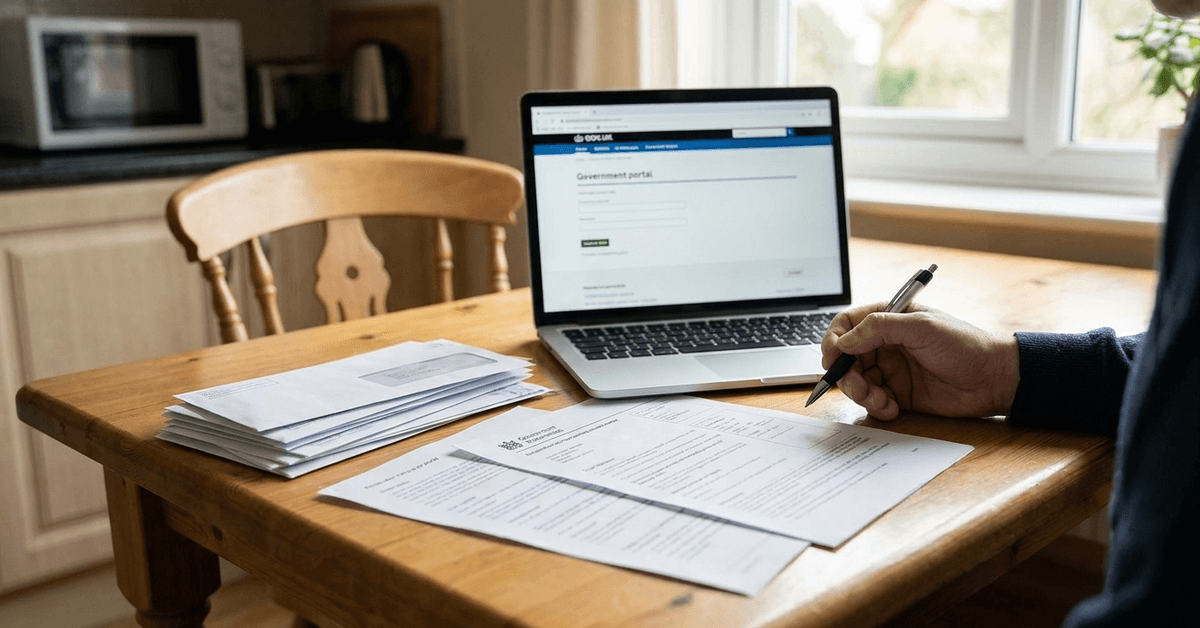
States examine several financial and residency conditions when reviewing applications. Verify current thresholds with your local SNAP agency.
- Household income: Gross and net income tests generally apply, with deductions and certain exceptions.
- State residency: Apply where you currently live, even if you recently moved.
- Immigration status: Citizens and certain qualifying noncitizens may receive benefits under current restrictions.
- Financial resources: Countable savings or other assets may matter, depending on household eligibility rules.
Special Considerations
Households with older or disabled members may qualify for special deductions. Other applicants face additional restrictions based on their circumstances.

- Work requirements: Some adults ages 18 through 64 face time limits unless they meet work rules or qualify for exemptions.
- Students: College enrollment can trigger special eligibility requirements and exceptions.
- Noncitizens: Recent federal changes limit which lawful immigration categories qualify, so check official guidance.
Documents Needed for the SNAP Application
Organizing supporting paperwork helps verify eligibility. States may accept alternative evidence when a particular document is unavailable.
Commonly Requested Documents
Requirements differ, but applicants often need identification records and proof of income. Gather documents without delaying an urgent application.
- Government identification, such as an ID card or driver's license.
- Social Security numbers for household members applying, where required.
- Proof of residence, including a lease, bill, or official letter.
- Pay statements, benefit notices, or self-employment income records.
- Bank statements or other applicable resource information.
- Rent, utilities, childcare, and eligible medical expense records.
- Immigration documents for household members seeking benefits who are not citizens.
How to Apply for SNAP Benefits in Your State
Each state administers its own application process using federal standards. Those searching apply for SNAP USA should use their state agency.
Application Options
Most states offer several submission methods to accommodate different needs. Confirm local options before applying.
- Online: Use your state's official benefits portal, such as myBenefits in New York.
- Mail: Send a completed paper application to the designated local office.
- In person: Visit an agency office or approved assistance location.
- Telephone: Ask whether your state accepts applications or offers help by phone.
Where to Find State Applications
Official directories connect households with local agencies and current forms. They also provide contacts and assistance options.
- Visit the USDA SNAP state directory or your state's human services website.
- Confirm local office hours, contact information, and available language services.
The SNAP Interview Step: What to Expect
Most households complete an eligibility interview by telephone or in person. The interviewer verifies information and explains anything requiring additional evidence.
Typical Topics Covered
Questions generally concern your household situation and essential expenses. Explain recent changes and uncertain figures honestly.
- Household members, relationships, and who purchases and prepares meals together.
- Earnings, employment, other income, and any recent job loss.
- Housing payments, utilities, dependent care, and eligible medical costs.
- Changes in address, household composition, or available resources.
What Happens After SNAP Application Submission?
States ordinarily must process eligible applications within 30 days, although delays can occur. Approved recipients get Electronic Benefit Transfer (EBT) cards; denied applicants receive written notices.
Emergency or Expedited SNAP Processing
Households with urgent food needs may qualify for expedited service. Qualifying households receive benefits within seven days, subject to verification.
- Very limited income: Low current income and accessible resources may meet expedited criteria.
- Housing costs: Certain households whose income and resources fall below rent and utility expenses may qualify.
- Migrant households: Some destitute migrant or seasonal farmworker households qualify for faster processing.
Common Next Steps
Read the official decision notice carefully. Follow all instructions to protect access to approved benefits.
- Activate your EBT card and select a secure personal identification number.
- Check the approved monthly amount, payment schedule, and certification period.
- Submit requested forms and ask about appeal rights if denied.
How Much Can You Get with SNAP Benefits?
Monthly amounts depend on household size, countable income, and permitted expense deductions. Standards change periodically, so check current state figures because eligible households of equal size can receive different amounts.
Unused EBT balances usually carry into following months, but prolonged inactivity can lead to removal. Use official state tools to check balances, transaction histories, expiration notices, and permitted purchases under any state restrictions.
Recertification and Keeping Benefits Active
Benefits continue only through the assigned certification period unless renewed under state rules. Report changes and renew by deadlines to avoid interruptions.
Update your contact information when moving or changing phone numbers, and retain copies of important notices. Household changes may affect benefits under state reporting rules, including when income or household size changes.
Tips for Navigating SNAP Applications
Simple application habits can prevent missed interviews and incomplete submissions. These help anyone completing an EBT benefits application.
- Use official eligibility screening tools, recognizing that estimates are not final decisions.
- Save a dated copy of your application and all uploaded documents.
- Request interpretation, language assistance, or disability accommodations when needed.
- Correct missing signatures or inconsistent information promptly.
- Choose paper or in-person help if internet access is unreliable.
- Ask about expedited processing when your household runs low on food.
- Set reminders for scheduled interviews and important document deadlines.
- Check your application portal for status updates frequently.
- Keep voicemail available for calls from caseworkers.
- Protect your EBT PIN against theft or scams.
- Add a table comparing current benefits by household size, with its date clearly stated.
- Include screenshots showing application steps, with all personal information removed.
Conclusion
SNAP can provide meaningful grocery support to eligible households facing financial pressure. Verify state requirements, gather records, and apply promptly.
Complete interviews, monitor notices, and follow renewal deadlines to protect benefits. Official guidance and community assistance can help resolve questions at every stage.