
Getting your finances organized doesn’t need to be overwhelming. With the right steps, you can gain control and feel more confident about your money.
This article provides clear, practical advice to help you structure your accounts and meet your goals. You’ll find useful tips that make the process easier to manage.
How to Organize Your Finances Effectively
Taking control of your finances begins with structure and consistency. The following tips provide step-by-step guidance to help you organize and maintain financial stability.
1. Assess Your Current Financial Situation
To organize your finances, you need a full picture of where you stand. Take time to list your income, debts, savings, and spending habits.
Knowing the exact numbers helps you make better decisions. This is the first step in taking control of your money. Start by collecting all your bank statements, pay slips, and bills.

Note the total amount of debt and your current savings balance. List all your monthly expenses, both fixed and variable. Add up all sources of income to understand your monthly cash flow.
2. Set Clear Financial Goals
Clear goals give direction to your financial plan. Whether short-term or long-term, setting them helps you stay focused. This also lets you measure your progress.
Goals turn your financial habits into actions. Write down specific targets like saving R$5,000 for emergencies or paying off a credit card in six months.
Set deadlines and realistic amounts for each goal. Break larger goals into smaller steps. Track progress monthly to stay motivated.
3. Create a Monthly Budget That Works
A good budget helps you manage your income efficiently. It keeps spending under control and ensures your needs are met. Choose a method that fits your style.
Stick to it consistently to build discipline. Try the 50/30/20 rule: 50% for needs, 30% for wants, and 20% for savings.
Write down all monthly expenses and compare them with your income. Adjust spending in non-essential areas to meet your savings goal. Use apps or a spreadsheet to stay on track.
4. Automate Your Finances
Automation helps prevent missed payments and builds good habits. It makes financial tasks more efficient and consistent. You can set and forget recurring transfers.
This simplifies your money management. Set automatic transfers to move money into savings each payday. Schedule payments for rent, credit cards, and utilities.
Use calendar reminders to review your accounts monthly. Keep enough balance in your main account to avoid overdraft fees.
5. Track Your Spending Daily or Weekly
Monitoring your expenses helps you understand where your money goes. You can spot problem areas and make changes quickly.
Tracking builds awareness and accountability. It also helps you stick to your budget. Use a mobile app or a manual journal to record each purchase.
Group your spending into categories like groceries, bills, and entertainment. Set weekly limits and get alerts when you reach them. Review your spending patterns every weekend.
6. Organize and Consolidate Your Accounts
Too many accounts can make things messy and confusing. Simplifying helps you track your money more easily. It also makes it easier to identify problems. Start by taking stock of everything.
List all your bank, credit, and investment accounts. Close inactive accounts and keep only what you need.
Consolidate debt into one loan if possible for easier management. Use a central dashboard to monitor all balances.
7. Build and Maintain an Emergency Fund
Having a financial cushion protects you during unexpected events. An emergency fund reduces the need for high-interest borrowing. It gives you peace of mind. Build it gradually and consistently.
Aim to save three to six months’ worth of expenses. Start with a small goal, like R$1,000, and add to it regularly.
Keep the money in a separate high-interest savings account. Use it only for true emergencies.
8. Review and Reduce Your Debt
Debt drains your income and creates stress. Reducing it improves your financial freedom. You need a plan to tackle it. Focus on one step at a time.
List all your debts with interest rates and minimum payments. Pay more on the one with the highest interest or smallest balance. Avoid adding new debt while repaying. Track your progress to stay motivated.
9. Store Financial Documents Properly
Proper storage keeps your important documents safe and accessible. Organizing them saves time during emergencies or tax season. It also helps protect your identity. Use a digital and physical system.
Create folders for categories like bills, taxes, and insurance. Scan paper documents and save copies to a secure cloud service.
Keep original copies in a locked drawer or file box. Shred outdated papers with sensitive info.
10. Revisit Your Finances Monthly
Regular reviews keep your finances on track. They help you adjust to life changes and spot problems early. A routine check-in builds strong habits. Make it part of your schedule.
Choose a fixed day each month to review your accounts. Compare your spending with your budget and goals.
Make changes if income or expenses shift. Discuss progress with a partner if you share finances.
11. Use Financial Planning Tools and Apps
Apps can help you track, plan, and manage your money better. They offer insights and alerts that support financial discipline. Many are free or low-cost. Find one that suits your style.
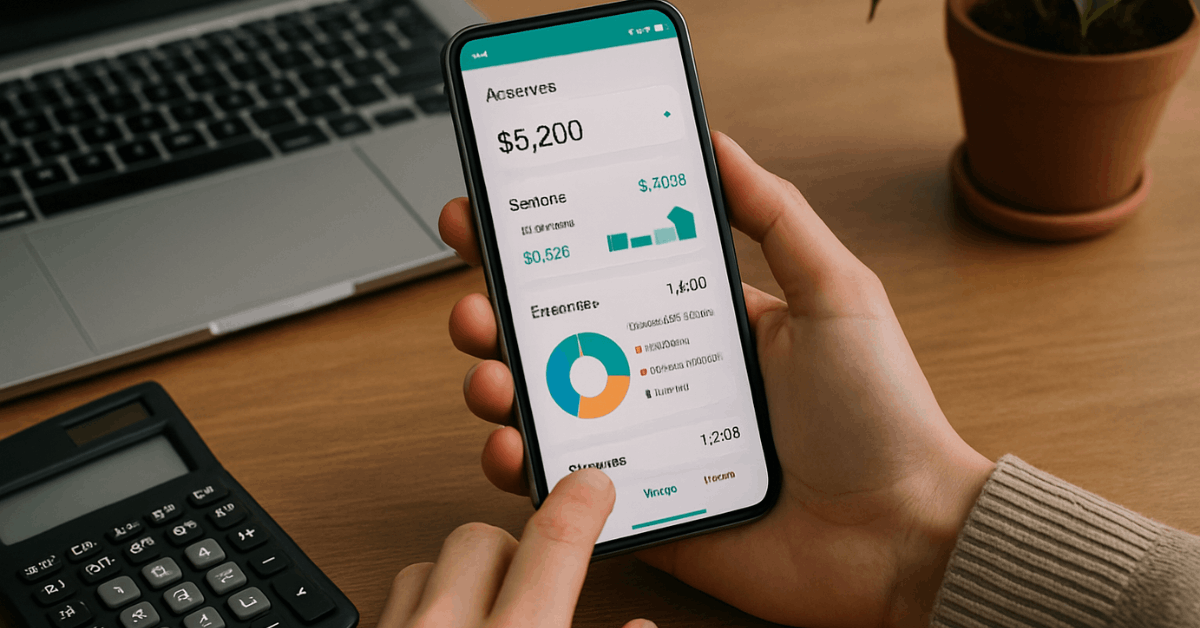
Try apps like YNAB, Mint, Spendee, or Toshl. Look for features like account syncing, custom alerts, and expense reports. Use them daily or weekly to stay engaged. Keep your login credentials secure.
12. Separate Personal and Business Finances
Mixing business and personal money leads to confusion. Keeping them apart simplifies taxes and reporting. It also improves accountability. Start with clear boundaries.
Open a separate bank account for your business or freelance work. Use different credit cards for personal and work expenses.
Track income and spending separately. Hire an accountant if needed for tax support.
13. Understand Your Credit Report and Score
Credit scores affect loan approvals, interest rates, and job applications. Knowing your score helps you improve it. Reports also show errors you can fix. Review them regularly.
Get your report from local bureaus or trusted platforms. Check for old debts, missed payments, or identity issues.
Dispute errors by contacting the credit agency. Pay bills on time to boost your score.
14. Plan for Taxes in Advance
Tax preparation reduces stress and saves money. Early planning helps avoid penalties. It also helps you maximize deductions. Stay organized year-round.
Keep receipts and records of all income and deductions. Use a tax folder or app to store documents.
Estimate your annual tax payment ahead of deadlines. Consider hiring a professional if your taxes are complex.
15. Educate Yourself Continuously
Financial knowledge gives you confidence and control. It helps you make better decisions. Learning is ongoing. Start with reliable resources.
Read finance blogs, books, or government sites. Watch videos or attend online classes. Join finance forums to ask questions. Apply one new idea each month.
Take Control of Your Financial Life Today
Getting organized with your finances brings freedom and clarity. These tips give you the tools to build better habits and stay in control.
Small changes lead to long-term results. Start with one step today and grow from there.