People explore food delivery jobs Europe for flexible earnings and flexible schedules in busy urban areas. Students, career changers, and job seekers may find openings in European cities.
This guide explains eligibility requirements, registration stages, earnings, and legal responsibilities. It offers advice on comparing platforms and safety.
Why Food Delivery Jobs Are In Demand in Europe
Restaurant delivery is popular because customers appreciate convenient ordering and doorstep service. Demand can create courier opportunities and available delivery requests, although work varies by location and season.
Widespread Urban Demand
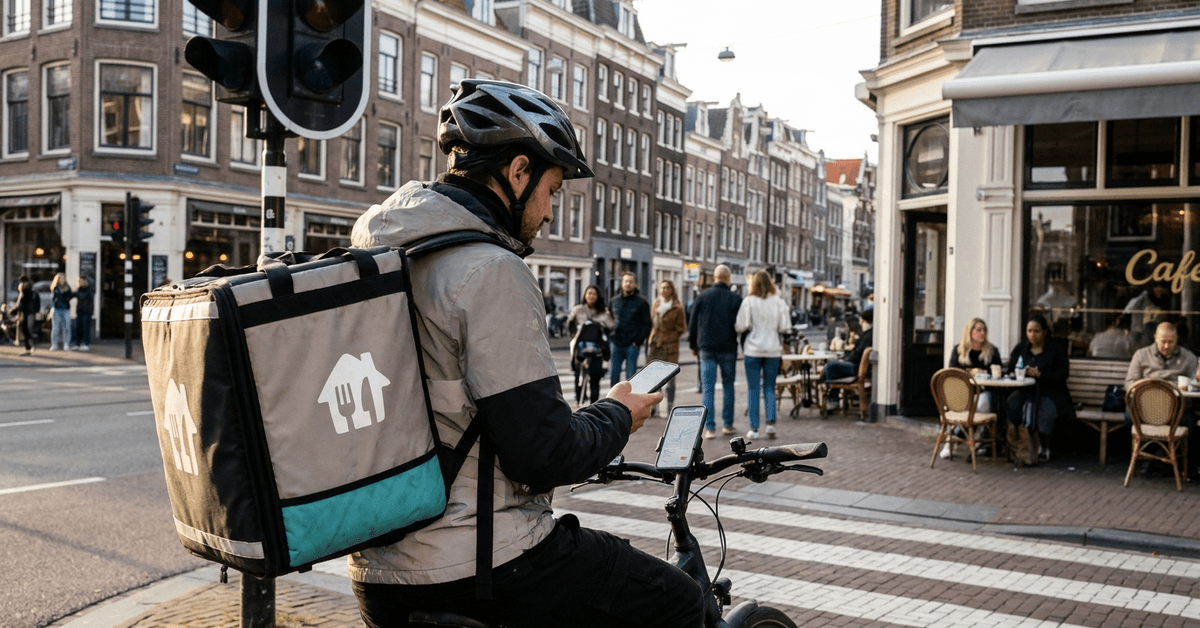
Busy capitals and university towns contain clusters of restaurants and customers. These urban areas may see more orders at mealtimes and weekends. Smaller cities can also support delivery services where local demand is strong.
Appealing Flexibility
Some platforms let couriers choose when to accept offers. This schedule freedom suits people balancing studies or family responsibilities. Other companies employ riders on scheduled shifts, so the flexibility available depends on contracts.
Growth of Online Platforms
Services including Uber Eats, Deliveroo, and Glovo connect customers and restaurants through apps. Their regional coverage differs, and providers may not recruit everywhere. Check openings rather than assume expansion.
Requirements for Food Delivery Work in Europe
Applicants must satisfy local rules before delivering. Age limits, employment status, permitted transport, and identity checks vary locally.
Age and Legal Right to Work
Many services require couriers to be at least eighteen, depending on location. Applicants need legal permission to perform their chosen work. Non-EU residents should confirm whether their permits cover the work in that particular country.
Basic Equipment Needed
Couriers need essential equipment suited to their transport. Check platform specifications before buying gear.
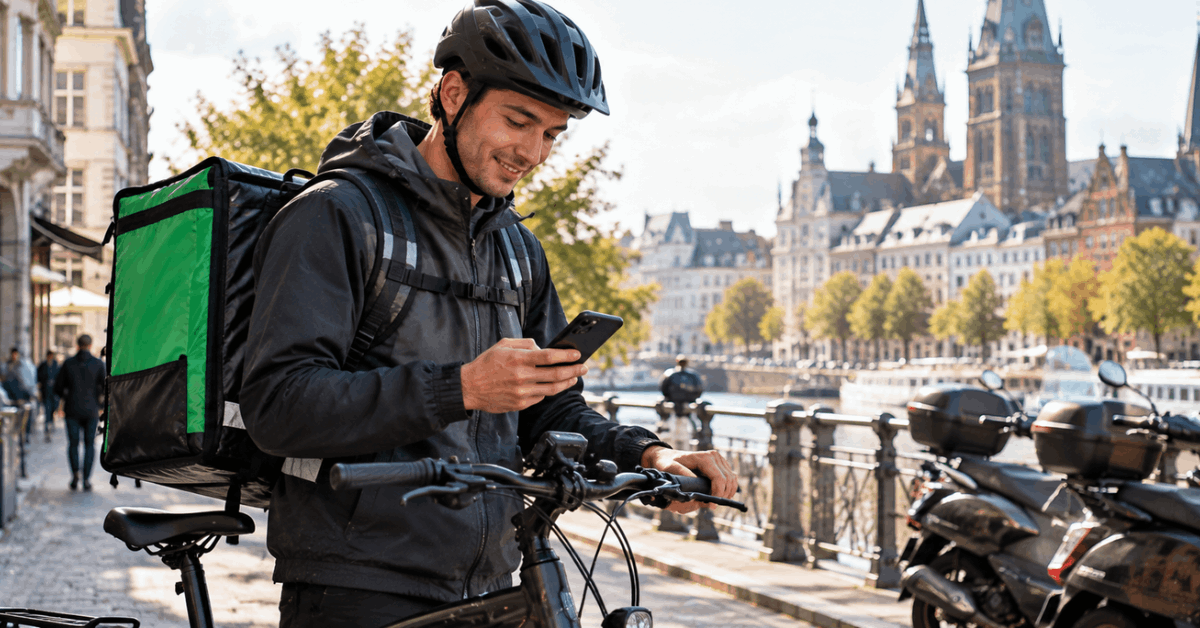
- A smartphone with data and reliable battery life.
- An approved bicycle, scooter, or car, where permitted.
- Protective equipment, including lights and required helmets.
- An insulated bag for food.
Bank Account and Tax ID
Payment arrangements require bank details and identification. Independent contractors may need tax or business registration. Employees follow their employer’s payroll and social insurance rules.
How to Apply for Food Delivery Jobs in Europe
People searching apply delivery driver Europe should use official recruitment channels. Registration involves accounts, documents, and eligibility checks.
1. Choose Your Preferred Platform
Compare Uber Eats, Glovo, Deliveroo, Just Eat, and Stuart locally. Compare contract types, pay, coverage, and vacancies. For example, Deliveroo operates in several markets but left Spain.
2. Gather Required Documents
Prepare identification and any work authorization before applying. Some vehicle categories require extra records.
- Valid passport or national identity card.
- Residence permit or evidence of lawful working rights if necessary.
- Driving license, vehicle registration, and insurance for motorized vehicles.
- Required bank and tax details.
3. Complete the Online Registration
Enter accurate information through the official site or app. Upload readable documents and choose the right location and vehicle. Review contract terms, payment conditions, and responsibilities before signing.
4. Attend Onboarding or Information Sessions
Some companies offer safety training or short videos. Others require orientations or interviews. Complete any mandatory steps before taking deliveries.
5. Wait for Approval and App Access
The platform reviews submitted records and confirms whether couriers are currently needed. Approval timelines depend on checks and demand. Once activated, check the app's payment settings and safety guidance before starting.
Popular Food Delivery Platforms in Europe
There is no universal best delivery service for every European city. Compare active companies, recruitment conditions, local employment arrangements, and rider support before applying.
- Uber Eats, available in multiple European markets with different courier arrangements.
- Glovo, recruiting in selected cities.
- Deliveroo, operating in France, Italy, Belgium, Ireland, and Britain.
- Just Eat and its regional brands, including Lieferando and Thuisbezorgd.
- Stuart, offering courier work in selected areas.
Platforms differ in payment calculations, protections, and transport choices. Readers researching trabajos de reparto Europa should check local recruitment pages.
Best Practices for a Smooth Application
Small preparation steps can prevent unnecessary delays and avoidable verification problems. Review these habits before applying to several services.
Keep Documentation Organized
Save copies of IDs, permits, licenses, and insurance. Use secure storage and avoid unsolicited messages. Check expiration dates and ensure names match across your uploaded records.
Check Requirements Beforehand
Read local FAQs and confirm which vehicles the platform currently accepts. City restrictions may affect vehicle categories, equipment, and registration. Check whether the provider hires freelancers, employees, or fleet couriers.
Set Up for Tax Compliance
Self-employed couriers may need business registration and income declarations. Understand tax obligations, payment deadlines, and social contributions before accepting paid assignments. Salaried riders should review payroll and insurance.
Working Conditions and Earning Potential
Courier income depends on actual demand, payment terms, personal expenses, and hours worked, including time waiting at restaurants. Hourly wages, per-delivery fees, and bonuses require careful comparisons of effective take-home income.
Earning Factors
Several practical variables affect take-home pay. Compare realistic weekly results instead of relying only on advertised earning potential.
- Delivery availability during peak periods.
- Distance traveled and unpaid waiting time.
- Tips and conditional bonuses, where available.
- Maintenance, data, taxes, and insurance.
Reality Check: Limits and Challenges
Poor weather, quiet periods, and crowded delivery zones can reduce available orders. Unpredictable earnings make budgeting difficult, especially for independent contractors.
Track all working expenses every month and treat promotional earnings examples as estimates, not guarantees.
Legal and Tax Considerations for Delivery Work
European countries apply different employment rules to independent and salaried riders. Under EU legislation, member states must implement new platform working conditions rules by December 2, 2026.
Typical Legal Requirements
Check the relevant national authority before registering. Requirements include these obligations.
- Register as self-employed where required.
- Maintain vehicle insurance and required coverage.
- Report earnings and taxes or social contributions.
- Follow road safety, food handling, and employment regulations.
Rules differ across countries and may change as new legislation takes effect. Consult official guidance or a qualified adviser when employment classification or permit conditions are unclear.
Tips for Maximizing Your Experience
People exploring Europe courier careers can improve daily efficiency through preparation. These habits support safety and help reduce avoidable costs.
- Compare more than one platform where agreements permit.
- Record mileage, expenses, and working hours for net earnings calculations.
- Maintain brakes, lights, locks, and weather protection before taking long shifts.
- Review roadworks, events, and local traffic restrictions beforehand.
- Ask experienced couriers about pickups and safety.
Conclusion
Food delivery can provide flexible opportunities in European cities. Applicants should verify work authorization, documents, and platform availability.
Comparing real costs with likely earnings prevents costly surprises. Careful preparation and safe working habits support a sustainable start.